When most people think about homes in Singapore, they imagine HDB flats, condominiums, or perhaps landed houses. But nestled away in some of the island’s most exclusive neighbourhoods lies a type of property that many Singaporeans have heard of, but few truly understand. These are the elusive Good Class Bungalows, or GCBs.
Despite their jaw-dropping prices and massive land areas, GCBs remain a bit of a mystery to the average person. Unless you’re in the world of high-end property or construction, you may not even know they exist. But these bungalows are more than just status symbols; they reflect a unique mix of heritage, architecture, and urban planning that makes them truly special in Singapore’s dense and modern landscape.
1. There are strict rules that govern what counts as a GCB
A house isn’t considered a Good Class Bungalow just because it’s big or expensive. To be officially classified as a GCB, a property must sit on a land area of at least 1,400 square metres (that’s about 15,070 square feet). On top of that, it must be located within one of the 39 designated GCB areas, such as Nassim Road, Cluny Road, or Bukit Tunggal.
URA’s guidelines also restrict how tall you can build (typically only up to two storeys), and you can’t subdivide the land to build more houses. These rules preserve the character of the neighbourhoods and protect the exclusivity of GCB zones.
2. GCBs can’t be owned by just anyone
Foreigners who dream of living in a sprawling bungalow in Singapore’s most elite districts may be out of luck. Generally, only Singapore citizens can buy GCBs. Even Permanent Residents (PRs) have to get special approval from the Land Dealings Approval Unit (LDAU) of the Singapore Land Authority (SLA).
This restriction has helped maintain a certain national character in GCB neighbourhoods, making them not only exclusive but also uniquely local in a property market otherwise open to global buyers.
3. Many GCBs are older than you think
Some of these grand homes date back to the colonial era, which means they’re over 100 years old. These bungalows carry historical significance and often feature timeless architectural details like large verandas, high ceilings, and expansive lawns.
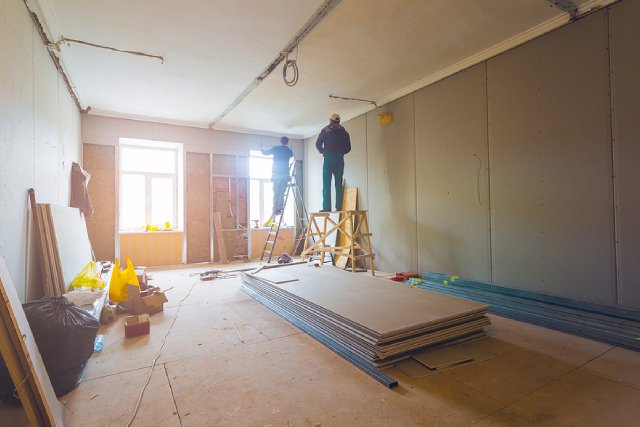
Because of their age, many of these GCBs require thoughtful restoration. This is where reconstruction services come into play, especially when the structure needs to be preserved or modernised without losing its original charm.
4. You can rebuild, but with caution
Thinking of tearing down and rebuilding a GCB into your dream home? Not so fast. While it’s legal to reconstruct or renovate, owners must follow strict URA and SLA guidelines. These include setback requirements, site coverage limitations, and even rules on how much greenery needs to be retained.
This makes the reconstruction process quite different from a regular home makeover. That’s why engaging experienced professionals who understand the dos and don’ts is crucial.
5. Some GCBs are owned by famous Singaporeans
GCBs are not just for the ultra-wealthy, they’re also the preferred homes of local celebrities, business tycoons, and tech entrepreneurs. For instance, properties in the GCB enclaves have been snapped up by founders of successful startups and families behind long-established Singaporean businesses.
While it’s not polite to name names (and many prefer to stay under the radar), it’s not uncommon to pass by a GCB and find out later that it belongs to someone who’s made headlines in The Business Times.
6. Not all GCBs look the same
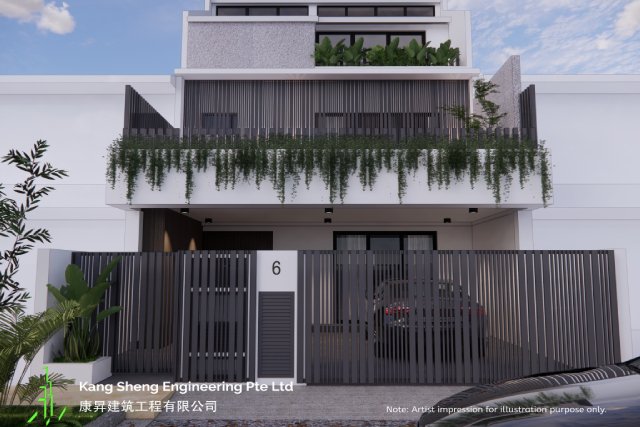
You might expect all GCBs to have a grand colonial look, but styles vary widely. Some have modern glass facades, infinity pools, and underground basements. Others preserve heritage styles with pitched roofs and intricate wooden latticework. The diversity in design reflects the evolution of Singapore’s architecture, and also the personal taste of its wealthy homeowners.
This is also where value engineering matters, especially when balancing aesthetics with structural integrity and cost-efficiency during redevelopment or upgrades.
7. GCBs are rare, and getting rarer
Only about 2,800 Good Class Bungalows exist in Singapore, and no more are being created. As land becomes more scarce and urban development continues to prioritise vertical living, GCBs are becoming even more exclusive.
This scarcity drives up their value and turns them into long-term investments, often passed down from one generation to the next. In a way, owning a GCB is like owning a piece of Singapore’s history and future all at once.
Conclusion
Whether you’re fascinated by architecture, exploring high-end properties, or simply curious about what sets Good Class Bungalows apart, it’s clear that these homes are a special part of Singapore’s real estate story.
If you’re looking to restore or rebuild a GCB or even develop a new luxury home or commercial space, Kang Sheng Engineering can help. We offer professional design-build services and general contracting services tailored to both residential and commercial projects. Reach out to us to find out how we can bring your vision to life with quality, compliance, and craftsmanship you can trust.