Building your dream landed home in Singapore is absolutely possible, and many homeowners have done it. Whether you’ve recently purchased land or are planning to redevelop an existing property, there’s something special about designing a home that suits your exact preferences. But as exciting as it sounds, it’s not quite as simple as drawing up a floor plan and getting started.
Constructing a landed property from scratch is a complex and multi-layered process that requires careful consideration. You’ll need to ensure the property is zoned for residential use, complies with Singapore’s strict height zoning and setback regulations, and adheres to guidelines from the Urban Redevelopment Authority (URA) and Building and Construction Authority (BCA). From architectural submissions to utility clearances such as SP PowerGrid and PUB and structural safety requirements, securing the right approvals from relevant authorities is essential before the first pile is even driven into the ground.
If you’re ready to embark on this journey, here’s a step-by-step guide to walk you through the key phases of building a landed home in Singapore.
1. Assessing the land and legal restrictions
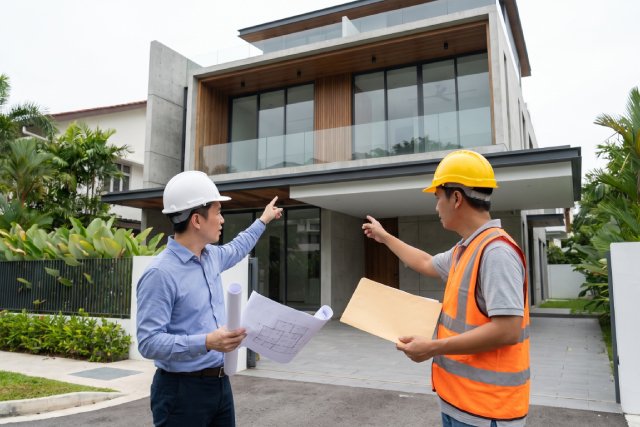
The first step is to confirm the land is zoned for residential use under the URA Master Plan. Not all plots in Singapore can be used for private housing, so it’s critical to check this early. Additionally, you’ll want to understand the permissible building height and whether your home can be detached, semi-detached or a terrace unit.
Engage a qualified architect or a professional experienced in landed house regulations to help you review these details. Also, check if the land is affected by any road line, sewer lines or drainage reserves, as these could impact your building footprint. In some rare scenarios, railway protection zonings also affect the extent of your build.
2. Appointing key professionals
Once you’ve confirmed that the land is suitable for residential construction, you’ll need to put together your project team. This usually includes:
1. An architect to conceptualise and submit building plans
2. A civil or structural engineer
3. A builder or general contractor
4. A quantity surveyor or project manager, if needed
To streamline the process, many homeowners prefer engaging firms that offer Singapore general contracting services, which combine design and build into a single contract and contact. This approach simplifies coordination and often helps avoid miscommunication between separate parties. At the same time, engaging a design and build builder will also usually result in a more cost effective proposal.
3. Submitting plans and getting approvals
Before any work begins, our architect will need to submit the proposed plans to the URA for planning permission. Once URA’s planning approval is granted, plans must also be approved by the BCA. These approvals cover everything from structural safety to fire regulations, energy efficiency, and accessibility.
Don’t forget other essential submissions as well: you’ll need to get clearance from the Public Utilities Board (PUB) for drainage and sewerage, and BCA for structural submissions. This phase can take anywhere from three to six months, depending on the complexity of the design and the speed of responses from various agencies.
4. Budgeting and financing
Before any contractor starts work, you should have a firm grasp of your budget. The cost of building a landed home can vary widely, depending on the location, materials, design, and size of the home.
Some costs to factor in include:
- Demolition (if you’re rebuilding)
- Foundation and structural work
- Architectural finishes
- Interior fittings
- Permits and legal fees
- Contingency budget (always allocate about 10-15%)
Engaging a Singapore landed house builder with transparent costing practices will help you avoid unpleasant surprises halfway through the project. Always ask for itemised quotations and review the construction timeline carefully before committing.
5. Construction phase
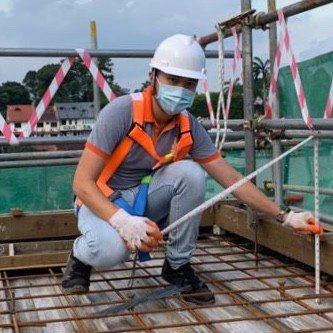
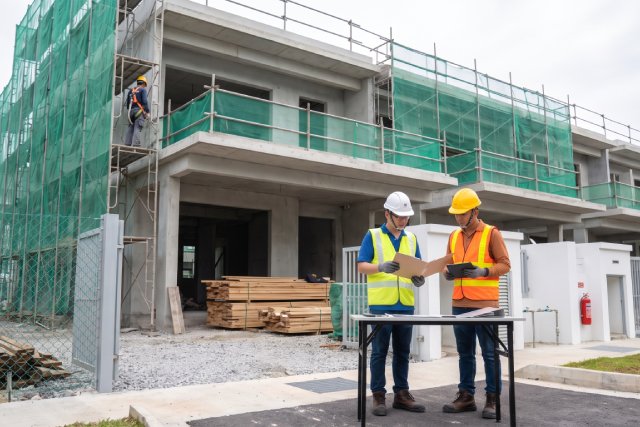
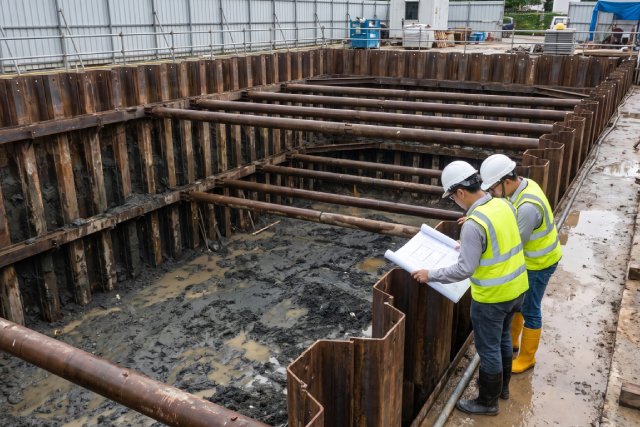
Once you’ve received all approvals and your financing is in place, construction can begin. Builders will typically handle site preparation, foundation works, structure, roofing, windows, doors, M&E installations, and interior works.
This phase can take anywhere from 12 to 20 months, depending on the complexity of your design, supply chain issues, and even weather conditions. It’s important for the Builder to carry out regular site inspections and appoint a project manager to ensure timelines and quality standards are being met.
During this phase, it’s crucial to hire a builder for your landed home with proven experience and a portfolio of completed residential projects. It’s also helpful to stay involved with material selections, progress updates, and budget tracking.
6. Final inspections and Temporary Occupation Permit (TOP)
Once the home is substantially completed, the builder will apply for a Temporary Occupation Permit (TOP) from the BCA. This allows you to legally move into the home, though minor works may still be ongoing.
To receive the TOP, your home must pass several inspections, including fire safety, drainage systems, and electrical works. Following that, you may also apply for the Certificate of Statutory Completion (CSC), which officially confirms the home has met all building and legal requirements.
7. Moving in and maintenance
Once you’ve obtained the TOP, it’s time to move in! But the journey doesn’t end there. Like any property, your new landed home will require ongoing maintenance. Schedule regular inspections for plumbing, electrical systems, roof and exterior walls to ensure everything continues to run smoothly.
If you’ve engaged a reputable design and build company for general contracting services, they might offer a maintenance or defects liability period to resolve any issues that arise post-handover.
Conclusion
Building a landed home in Singapore can be an incredibly rewarding experience, one that gives you full control over design, layout, and finishes. It does, however, come with its fair share of challenges, from navigating regulations to coordinating various contractors.
At Kang Sheng Engineering, we offer comprehensive design-build services and general contracting solutions for both residential and commercial projects. With our experienced team and proven track record, we can help you turn your vision into reality, from architectural planning to final construction. Let’s build your dream home together.