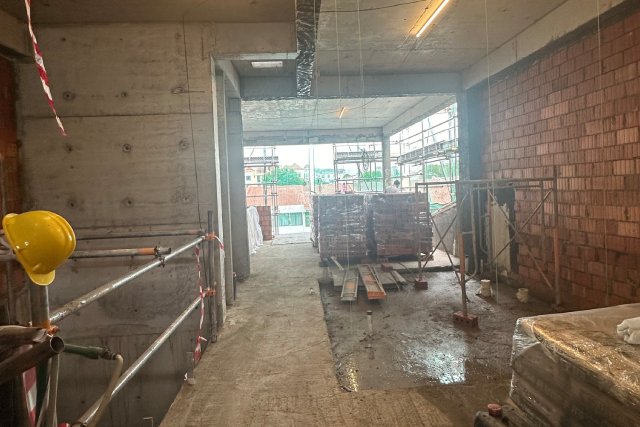
When embarking on a landed home reconstruction project, most homeowners expect challenges like material delays, design changes, or permit issues. What many never anticipate, however, is a scenario where their builder suddenly stops work and disappears without a trace. It’s bewildering and leaves you wondering what to do next.
When a landed house builder abandons your project, it can feel like your dream home has been put on indefinite pause. The good news is that you’re not powerless. There are practical steps you can take in Singapore to protect your interests, safeguard your investment, and get your project back on track.
1. Confirm that your builder has truly abandoned the project
Before taking any formal action, make sure the situation qualifies as abandonment. Sometimes, delays happen because of supply chain issues, permit approvals, or labour shortages. Try to contact your builder directly through email, phone calls, or registered letters. Document these attempts carefully.
If there has been no response for weeks and no sign of work progress on site, it’s a red flag. Check if the builder’s office is still operational or if the company has gone into liquidation. You can verify this through the Accounting and Corporate Regulatory Authority (ACRA) website. This confirmation will help you understand whether you’re dealing with temporary silence or a full-blown abandonment.
2. Review your contract and payment terms
Your contract is your strongest shield in this situation. Review the terms carefully, especially the clauses related to project milestones, payment schedules, and termination. Most landed home construction contracts in Singapore include a clause that defines what happens if the builder defaults or fails to perform their obligations.
Check whether the builder has been overpaid relative to the work completed. If you’ve already made full payment or advanced sums without corresponding progress, it may be harder to recover those funds. However, having a detailed, milestone-based payment schedule can strengthen your position when you seek remedies later.
3. Stop all further payments immediately
It’s critical to halt all payments to your builder as soon as you suspect abandonment. Continuing to pay, even under pressure or out of goodwill, can weaken your legal standing and reduce your chances of recovering losses later.
If you used a bank loan for the project, contact your bank to freeze disbursements. Most banks will require confirmation that work is ongoing before releasing progress payments. Informing them promptly helps ensure that no further funds are transferred to the builder’s account.
4. Document everything
Proper documentation can make a difference when you decide to take legal or recovery actions. Take photographs of the construction site, noting which parts of the house are completed and which remain unfinished. Keep copies of all correspondence, whether through emails, WhatsApp messages, or letters, from the builder and subcontractors.
Maintain a detailed timeline of events: when work started, when it stopped, and what communication occurred in between. This record will be crucial if you file a complaint, engage a lawyer, or bring in another contractor to take over.
5. Seek professional and legal advice
If you suspect your builder has abandoned the project, it’s wise to consult a lawyer and a licensed quantity surveyor who are familiar with Singapore’s construction and contract law. They can review your agreement, assess your rights, and advise whether you can claim damages or terminate the contract.
For disputes below a certain value, you may be able to bring the case before the Small Claims Tribunals. However, most landed home reconstruction projects fall under higher-value contracts, which typically require action through the civil courts or mediation.
If your builder is registered under the Building and Construction Authority (BCA), you can also lodge a complaint or seek assistance. While the BCA may not directly intervene in private disputes, they can guide you on the next steps or verify whether the builder has a record of similar complaints.
6. Notify relevant authorities and insurers
If your project is insured, contact your insurer immediately. Some policies may cover contractor default or unfinished work. Provide documentation of the situation and request guidance on filing a claim.
You can also alert the Consumers Association of Singapore (CASE) or Singapore Mediation Centre (SMC) if you wish to pursue a non-litigious resolution. These bodies can help mediate disputes and sometimes assist in reaching a settlement without going to court.
Reporting the situation to the authorities not only protects your own interests but may also help others avoid facing the same builder in the future.
7. Secure the construction site
An abandoned site can quickly become unsafe or vulnerable to theft and weather damage. Secure the area by locking up access points, covering exposed structures, and ensuring electrical or plumbing systems are safely disconnected.
If you have neighbours nearby, inform them of the situation so they’re aware of ongoing activity or any temporary disruptions. This also helps prevent unauthorised entry by curious passers-by or subcontractors trying to retrieve unpaid materials.
8. Engage a new builder carefully
Once you’ve confirmed abandonment and sorted out legal matters, the next step is finding a new builder to continue the project. Look for a reputable landed house builder with proven experience, good client reviews, and a valid BCA registration. Ask for references and visit completed projects if possible.
Be transparent about the project’s history and show the new builder all existing plans and contracts. They’ll need to assess the structural integrity of what’s already built before continuing work. This helps prevent issues down the line and ensures a smoother restart.
When signing a new contract, make sure payment terms are milestone-based and that the builder provides a clear construction schedule. Engaging an independent project manager or quantity surveyor can also help you monitor progress and reduce landed housing construction disputes in the future.
9. Learn from the experience
While an abandoned project is stressful and costly, it can also be an important learning experience. Many homeowners find that being more involved in project supervision, choosing builders with transparent communication, and insisting on written progress reports helps prevent similar issues later.
If you’re planning another renovation or extension in the future, consider working with design-build firms that offer both architectural design and construction under one roof. This integrated approach simplifies coordination and makes accountability clearer.
Conclusion
Dealing with a builder who has abandoned your landed home project can feel like a nightmare, but it doesn’t have to be the end of your dream home. By taking prompt, informed action, you can protect your interests, find reliable help, and move forward with clarity.
At Kang Sheng Engineering, we offer design-build and general contracting services for both residential and commercial projects in Singapore. Our experienced team takes pride in delivering high-quality workmanship with clear communication and accountability at every stage. If you’re ready to restart your project or want to build with confidence from the start, we’re here to help you bring your vision to life safely, transparently, and professionally.