You’ve probably come across the term “landed house builder” when researching home renovations or construction companies in Singapore. It often pops up in articles, advertisements, and online forums, especially as more homeowners are choosing to rebuild or expand their landed properties to create more spacious and personalised living spaces.
But what exactly does a landed house builder do in Singapore? Many people assume they simply handle construction work, but their role is actually far more comprehensive. When you are investing significantly in a home project, whether it’s a rebuild, A&A (additions and alterations) or a new extension, it helps to understand how a builder manages the many moving pieces involved. Knowing their responsibilities not only guides your expectations but also gives you confidence when choosing the right professional for the job.
What does a landed house builder do?
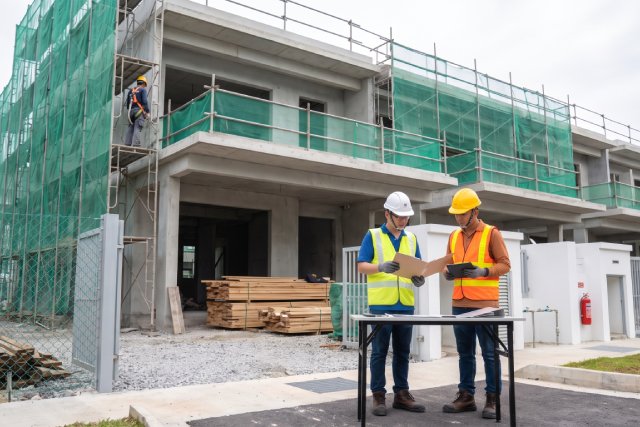
A landed house builder specialises in constructing, renovating and enhancing landed properties such as terraced houses, semi-detached homes, and bungalows. Unlike high-rise residential developments that are led by large property developers, landed home projects are typically private, meaning the builder takes on more focused accountability over the entire construction experience.
They are responsible for making sure your home is built safely, efficiently, and accurately based on approved architectural and engineering plans. Their primary objective is to translate design intentions into a durable and high-quality living environment.
Overseeing the entire construction timeline
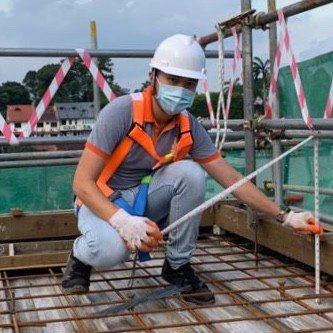
A major part of the builder’s role is project management. Even with a solid design plan, a landed property will not turn out well if construction activities are not properly coordinated.
A landed house builder handles:
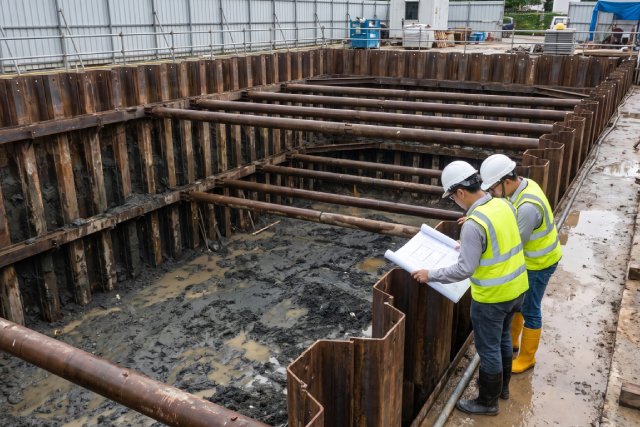
- Site formation, demolition, and groundwork
- Foundation construction and structural framing
- Roofing, walls, flooring, and waterproofing
- Plumbing, electrical, and mechanical installations
- Interior fit-out works and final detailing
They ensure that each phase of construction is completed correctly before moving on, preventing issues from being concealed under finishing layers. This step-by-step quality safeguard is crucial for long-term structural performance and reduced maintenance costs in future.
Working together with other teams
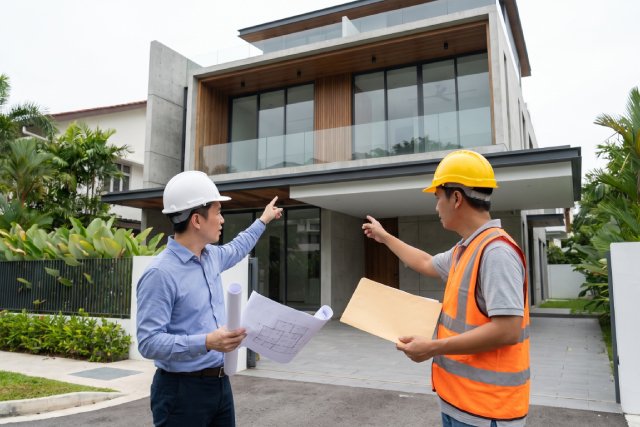
Many builders collaborate closely with approved architects, interior designers, and engineers from the start. This partnership ensures designs are feasible and compliant with Singapore’s regulations.
When working with design and build contractors in Singapore, you are engaging a streamlined team where both designers and builders align from the beginning. This results in fewer delays caused by revisions, faster approvals, and a smoother overall process. If a design detail requires adjustment along the way, such as a window position affecting structural beams, the builder coordinates solutions immediately to minimise disruption.
This integrated relationship helps prevent miscommunications that could otherwise lead to unnecessary costs or time overruns.
Safety and regulatory compliance
Singapore has one of the most rigorous construction governance systems in the region. Landed homes must adhere to regulations by authorities, including:
- Building and Construction Authority (BCA)
- Singapore Civil Defence Force (SCDF)
- Land Transport Authority (LTA)
- Public Utilities Board (PUB)
- Urban Redevelopment Authority (URA)
A landed house builder handles the submission and compliance process, such as:
- Permit applications
- Site safety planning and supervision
- Mandatory inspections at key construction stages
- Ensuring fire safety and proper drainage
- Managing noise, debris, and neighbour requirements
This keeps your project legally compliant and helps avoid unnecessary stoppages or penalties.
Quality of workmanship and material assurance
Quality control is a defining factor between a poorly built home and one that stands strong for generations. Builders are responsible for:
- Verifying structural integrity at every phase
- Ensuring concrete curing is done properly
- Supervising waterproofing installation in wet areas
- Approving materials that match the contract specifications
They also coordinate periodic inspections and resolve workmanship issues promptly, so defects do not quietly accumulate. This prevents future headaches like leaks, cracks, or electrical failures.
A reputable builder is committed not just to finishing the work, but finishing it well.
Managing budget and procurement
Construction costs can escalate quickly if not properly monitored. A qualified builder provides clear cost tracking and ensures resources like labour and materials are used efficiently.
This includes:
- Transparent quotations and regular financial updates
- Accurate measurement of materials needed
- Advising cost-saving alternatives when appropriate
If a homeowner requests changes during construction, the builder evaluates feasibility and cost impact before proceeding, maintaining financial clarity from start to finish.
Effective communication and coordination
A home build involves many stakeholders, like subcontractors, suppliers, craftsmen, designers, and inspectors. The builder is the central communicator who keeps everyone updated and aligned with the project schedule.
They also keep homeowners regularly informed, answering questions and explaining technical decisions in an accessible way. Clear communication helps reduce landed housing construction disputes and maintains trust throughout the build period.
Testing, rectification, and handover
Even after construction appears complete, a builder continues working behind the scenes to test the house systems and ensure full readiness for occupancy. This includes:
- Electrical and plumbing testing
- Air-conditioning and ventilation checks
- Assessment of drainage and waterproofing performance
- Fixing any visible or hidden defects
A defects liability period also gives homeowners reassurance that issues surfacing shortly after moving in will be promptly addressed.
Why choosing the right builder matters for landed homes
Unlike high-rise units with uniform layouts, landed houses are highly personal, each with its own structural complexity and layout constraints. Choosing an experienced builder ensures you have a capable partner who understands both the technical and personal aspects of home construction.
A good builder contributes to:
- Stronger structural durability
- Greater cost accountability
- Better aesthetic and functional finishes
- Smooth compliance and approvals
- A safer living environment for many years to come
Your landed home is likely one of your most valuable investments, so selecting a professional team with proven skills and integrity is essential.
Conclusion
A landed house builder plays a much larger role than most homeowners realise. Beyond handling physical construction, they oversee design coordination, safety compliance, project logistics, budgeting, and communication – all to ensure that your home is built to high standards and delivered with confidence.
When you’re ready to begin your landed house build or redevelopment journey, Kang Sheng Engineering offers design-build services and general contracting solutions for residential projects in Singapore. Our team is committed to delivering quality workmanship, practical guidance, and a stress-free building experience from start to finish.