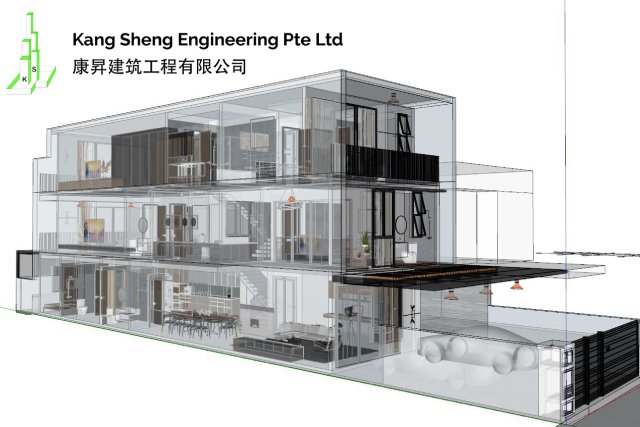
By 2030, around one in four Singaporeans will be aged 65 or above. This shift is already shaping how families think about homes, especially for those planning long-term living arrangements. More households are looking beyond short-term comfort and focusing on how a home can support parents, children, and even grandchildren under one roof.
With the Silver Tsunami gaining pace, searches for homes that include lifts and granny flats are at an all-time high. Landed homes, in particular, offer the flexibility to design spaces that adapt to different life stages. The goal is no longer just a bigger house, but one that allows everyone to live well together, with privacy, safety, and dignity.
Why multi-generational living is becoming more common
Rising property prices, longer life expectancy, and changing family dynamics are all contributing factors. Many families want to stay close to ageing parents, while also managing childcare, work-from-home needs, and personal space.
But multi-generational living is not about sacrificing comfort. When planned properly, it can improve the quality of life for everyone by:
- Making daily caregiving easier and more natural
- Reducing long-term housing costs
- Allowing grandparents to stay involved in family life
- Future-proofing the home for health or mobility changes
For landed homeowners, the design possibilities are broader, but they still require careful planning to avoid friction later on.
Designing with privacy in mind
One of the biggest concerns families raise is privacy. Different generations often have different routines, sleep schedules, and social habits. A good layout respects that.
Some practical approaches include:
- Zoned living areas – Separate wings or levels for parents and younger family members can help reduce daily disruptions.
- Dual living rooms – One shared family space and one quieter area give everyone options without conflict.
- Sound control through layout – Placing bedrooms away from communal areas or using buffer spaces like studies helps manage noise naturally.
Privacy does not mean isolation. Thoughtful planning allows connection when desired, and space when needed.
Granny flats that feel like homes, not afterthoughts
The idea of a granny flat within the newly built landed homes has evolved. Today, families want these spaces to feel complete and respectful, not secondary. Well-designed granny flats usually include:
- A bedroom with enough circulation space
- An attached bathroom with safety features and handicapped accessibility
- A small living area for daily independence
- Optional pantry or kitchenette, depending on needs
Whether the space is on the ground floor or in a detached structure, the key is dignity. Parents should feel they are living in their own home, not just occupying a spare room.
Planning for ageing in place
Ageing in place is about allowing seniors to live safely and comfortably in their own homes for as long as possible. In Singapore’s climate and urban context, this means thinking beyond just ramps and grab bars.
Design considerations often include:
- Step-free entrances and wider doorways
- Non-slip flooring throughout the home
- Bathrooms designed for seated use if needed
- Bedrooms located on lower floors where possible
While some families debate single-storey vs multi-storey landed homes, the more important factor is whether daily essentials can be accessed without stairs as mobility changes.
Home lifts as a long-term investment
Home lifts were once seen as a luxury. Today, they are increasingly viewed as a practical feature for multi-generational homes. Benefits of installing a lift early include:
- Reducing renovation disruption later in life
- Allowing all generations to access the full home
- Supporting caregiving during illness or recovery
Modern residential lifts can be compact and energy-efficient. Planning the shaft early, even if the lift is installed later, can save significant cost and structural changes.
Flexible rooms that change with life stages
A multi-generational home should not be rigid. Needs will change over time, sometimes faster than expected.
Flexible design ideas could be:
- Rooms that can shift between study, bedroom, or care space
- Sliding partitions instead of fixed walls
- Shared spaces that can be closed off when needed
A spare room today may become a caregiver’s room tomorrow, or a child’s playroom later on. Flexibility reduces the need for major renovations down the line.
Kitchens and dining spaces that bring people together
Food is often the heart of family life, especially in Asian households. Multi-generational homes benefit from kitchens that balance shared cooking with practical use.
Some families choose:
- A main kitchen for daily meals
- A secondary prep or wet kitchen to manage heavy cooking
- Dining areas large enough for regular family gatherings
Clear circulation and good ventilation are essential, especially when multiple people are using the space at different times of day.
Outdoor spaces for rest and connection
Landed homes offer the advantage of outdoor areas, which can be valuable for seniors and children alike. Thoughtful outdoor design may include:
- Covered patios for shade and rain protection
- Level garden paths for safe walking
- Seating areas that encourage daily use
These spaces support light movement, fresh air, and casual family interaction, all of which contribute to better well-being.
Getting the planning right from the start
Multi-generational homes are more complex than standard builds. They involve balancing emotional needs, practical concerns, and long-term planning. Working with an experienced landed house builder helps ensure that nothing critical is overlooked, from circulation planning to structural allowances for future upgrades.
Clear communication early on helps families align expectations and avoid costly changes later. It also ensures the home grows with the family, rather than working against them.
Conclusion
Designing a multi-generational landed home is not just about adding rooms or features. It is about creating a place where everyone feels respected, safe, and comfortable at every stage of life.
At Kang Sheng Engineering, we work closely with families to design and build homes that support real living, not just ideal plans. We offer design-build services and general contracting services for both residential and commercial projects, guiding you from early planning through to completion. If you are thinking about a multi-generational home that truly works for your family, get in touch with us to start the conversation.