Ever heard of prefabricated homes? You might have come across the term on an episode of a property show or seen a video from overseas. But if you’re living in Singapore, the chances are you haven’t thought much about these modern marvels. That’s hardly surprising. After all, most landed properties here are built the traditional way: foundations poured on site, bricks stacked high, and construction workers sweating through the island’s relentless heat.
While the concept sounds futuristic and fuss-free, the reality is very different, especially when it comes to building landed homes in Singapore. Although prefab construction offers benefits like speed and sustainability, its suitability for landed properties here is limited. For homeowners here looking to rebuild or transform their homes, especially with the help of an experienced A&A contractor, conventional construction methods remain far more practical and cost-effective.
What are prefab homes?
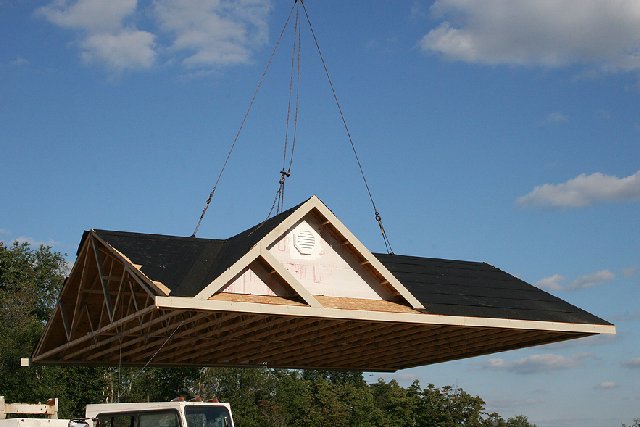
Prefab homes are built from components, such as wall panels, structural modules, and roofing systems, manufactured off-site in a factory-controlled environment. These parts are then transported to the building site for quick assembly. The appeal? Faster build times, reduced on-site labour, and more consistent quality.
In regions like Europe, the U.S., and Australia, prefab has gained traction. But Singapore’s unique urban landscape and housing culture present several challenges that make prefab less feasible for landed residential projects.
The catch: Customisation, site differences, and logistics
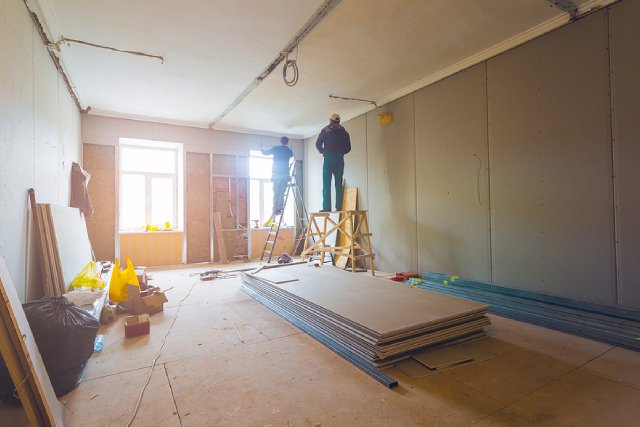
While prefab thrives on repetition and scale, landed homes in Singapore are the exact opposite. Every landed plot is different – some long and narrow, others squat and irregularly shaped. This high level of customisation makes it almost impossible to adopt a standardised prefab approach.
Even houses built side-by-side in the same neighbourhood may have different orientations, land gradients, and setback requirements. This renders the “copy-and-paste” model that prefab relies on practically unusable.
In most cases, prefab suppliers aren’t keen on producing just one bespoke unit, as it involves high production setup costs with little scalability. Unlike prefab blocks of apartments where multiple units share the same design, one-off landed homes in Singapore do not justify the investment.
Logistics also pose a serious problem. Many landed estates in Singapore have narrow roads, tight turning radii, and limited space for heavy machinery. Prefab home components, especially large modules, require mobile tower cranes for installation. These cranes need ample staging space and vertical clearance, both of which are rare in older landed neighbourhoods.
Simply put, the infrastructure just doesn’t support the scale and equipment needed for prefab builds.
Speed and sustainability? Not always for landed projects
It’s true that prefab construction can shorten timelines and reduce waste. In theory, this benefits homeowners and contractors alike. However, for a single landed home with a complex, customised design, those efficiencies are quickly offset by the cost and difficulty of adapting prefab methods.
Factory production and transport of modules also introduce potential delays due to overseas manufacturing schedules, shipping constraints, and last-minute adjustments. In the tightly regulated environment of Singapore’s landed housing, where approvals and site conditions vary widely, these factors add complexity, not reduce it.
The allure of prefab: Still relevant for larger developments
Prefab still has a role to play in Singapore’s built environment, just not typically for landed homes. It continues to shine in high-rise condos, institutional buildings, or even strata housing projects where designs are replicated across multiple units. In these settings, prefab’s speed and cost savings can be fully leveraged.
But for a standalone landed house? The benefits rarely outweigh the challenges.
Designing for the local lifestyle
One of the biggest misconceptions about landed housing is that prefab means compromising on design. While it’s true that open concept living is still popular in Singapore, prefab structures may limit flexibility when it comes to adapting to family needs, feng shui preferences, or future-proofing for multi-generational living.
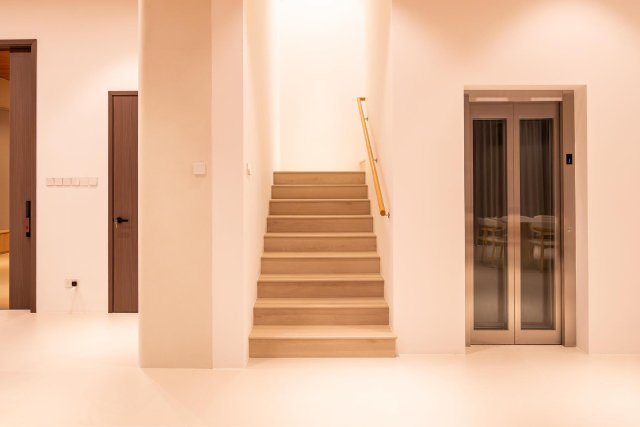
Traditional construction, on the other hand, offers homeowners greater control and freedom to tailor their home’s layout and features, from private lifts to attic extensions and integrated greenery. An experienced contractor can work closely with you to optimise space, maximise natural ventilation, and ensure your home fits both the land and your lifestyle.
Prefab for landed homes: More hurdle than help
Prefab may look promising on paper, but for most landed homeowners in Singapore, it’s not a one-size-fits-all solution. The level of precision, personalisation, and on-site work required makes traditional building methods more viable and often more economical in the long run.
Unless future advancements drastically change how prefab systems are customised, transported, and installed on small, irregular plots, it’s unlikely to replace traditional construction for Singapore’s landed properties anytime soon.
Conclusion
Prefab may work wonders in other contexts, but for landed properties in Singapore, customisation, logistical limitations, and design preferences still favour traditional construction methods.
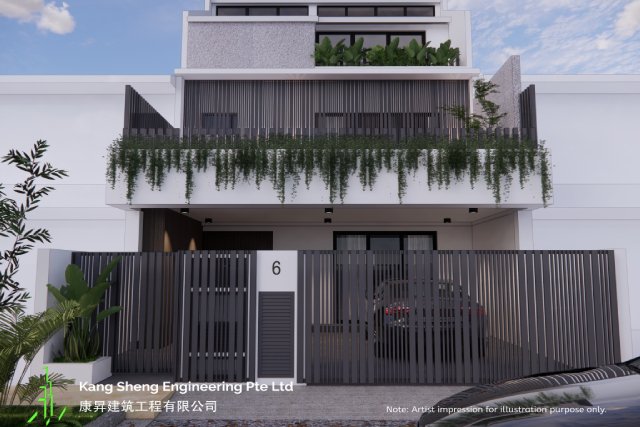
At the end of the day, building a landed home is a deeply personal journey. It’s about the vision, function, and form in a way that prefab systems currently can’t accommodate. Whether you’re planning a minor addition or a full rebuild, partnering with a skilled A&A contractor like Kang Sheng Engineering ensures your project is tailored to your site conditions, lifestyle needs, and long-term goals.