Feng shui is something many of us in Asia grow up hearing about, whether it comes from parents, grandparents, or even casual conversations with friends. It often shows up when someone buys a new home, renovates a space, or feels that something just is not quite right with their living environment. Even if you do not actively practise feng shui, the idea of balance, flow, and harmony tends to feel familiar and comforting.
In Singapore, this awareness is especially common among landed homeowners. A landed home is a major investment, and people naturally want it to feel calm and supportive of daily life. Good feng shui does not mean filling your home with symbols or following rigid rules. At its core, it is about how space, light, and movement work together to support the people living inside.
Why feng shui matters more in landed homes
Landed homes differ from apartments in one key way: you have far more control. From the orientation of the house to the layout of rooms, gardens, staircases, and even driveways, every decision shapes how energy flows through the space.
Because of this flexibility, feng shui becomes both an opportunity and a risk. Thoughtful planning can create a home that feels open and grounded. Poor planning, even if the house looks beautiful, can result in spaces that feel restless or heavy. This is why many families consult a feng shui expert or work closely with a landed house builder who understands spatial flow rather than just aesthetics.
Understanding flow, not superstition
One common misunderstanding is that feng shui is purely superstition. In reality, many feng shui principles align closely with good architectural and interior design practices.
At a practical level, feng shui focuses on:
- How people move through a space
- How natural light enters the home
- How air circulates
- How rooms connect visually and physically
When these elements work well together, homes tend to feel calmer and more comfortable. When they do not, residents may feel unsettled without knowing why.
Entrance placement and first impressions
The main entrance sets the tone for the entire home. In feng shui, it is often called the mouth of qi, where energy enters and spreads throughout the house.
Some practical tips include:
- Keep the entrance well-lit and clutter-free
- Avoid sharp corners or obstacles directly facing the door
- Ensure the door opens fully without obstruction
- Use warm, welcoming colours rather than overly dark tones
In landed homes, the gate, driveway, and front door work as a sequence. If energy feels rushed or blocked at any point, it can affect the overall atmosphere inside.
Living spaces that encourage connection
The living room is usually the most active space in the home. It is where families gather, guests are welcomed, and daily interactions take place.
To support positive energy:
- Arrange seating so people can see each other comfortably
- Avoid placing sofas with their backs directly facing doors
- Keep pathways clear to allow easy movement
- Balance solid furniture with open space
High ceilings and large windows are common in landed homes, which is an advantage. Just ensure the space does not feel too empty or echoing, as this can make energy feel scattered.
Kitchen layout and nourishment
In feng shui, the kitchen represents nourishment and stability. It is not just about cooking, but about how the household is supported on a daily basis.
Key considerations include:
- Avoid placing the stove directly opposite the sink, as fire and water clash
- Ensure good ventilation and natural light
- Keep the kitchen organised and functional
- Position the stove so the cook can see the entrance, where possible
These details often fall under things homeowners overlook when building a landed house, especially when design decisions focus heavily on visual appeal rather than daily use.
Bedrooms as places of rest
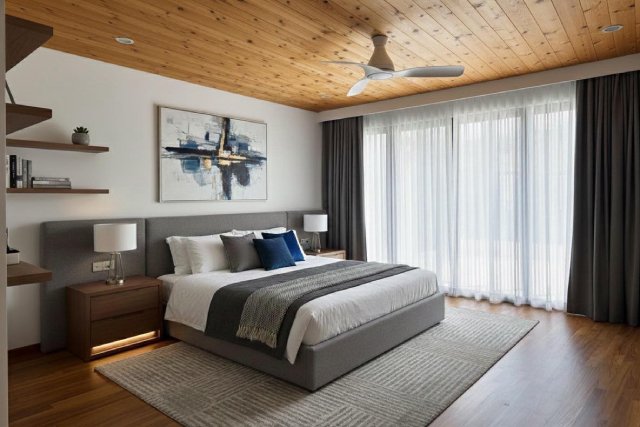
Bedrooms should feel calm, protected, and restorative. Feng shui places strong emphasis on sleep quality, which directly affects mood and health.
Helpful guidelines include:
- Position the bed with a solid wall behind it
- Avoid mirrors facing the bed
- Keep electronics to a minimum
- Use softer lighting and soothing colours
In multi-storey landed homes, it is also wise to avoid placing bedrooms directly above noisy or highly active areas like kitchens or living rooms.
Staircases and vertical flow
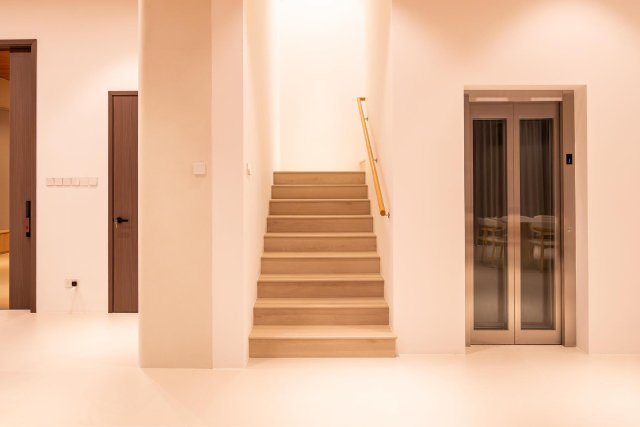
Staircases play a major role in how energy moves between floors. Poorly positioned stairs can cause energy to rush too quickly, while well-designed ones help distribute flow smoothly.
Consider the following:
- Avoid stairs directly facing the main entrance
- Use gentle curves or landings where possible
- Ensure good lighting along the staircase
- Avoid overly steep or narrow designs
Because staircases are structural elements, it is important to address these concerns early during the design and build stage rather than trying to fix them later.
Outdoor spaces and natural balance
One advantage of landed homes in Singapore is access to outdoor space, whether it is a garden, patio, or balcony. These areas play a key role in balancing indoor energy.
Simple ways to enhance outdoor feng shui include:
- Keeping plants healthy and well-maintained
- Avoiding overgrown or neglected corners
- Using natural materials like stone and wood
- Creating clear pathways rather than cramped layouts
Outdoor areas should feel like an extension of the home, not an afterthought.
Lighting, airflow, and comfort
Good feng shui is closely linked to comfort. Natural light and airflow are essential, especially in Singapore’s tropical climate.
Focus on:
- Cross-ventilation where possible
- Layered lighting rather than harsh overhead lights
- Curtains or screens that allow light without glare
- Shaded outdoor areas to reduce heat buildup
When a home stays cool and bright naturally, it supports both physical comfort and emotional well-being.
Working with the right professionals
Feng shui works best when it is considered early, not applied as a patch later. Structural decisions, room proportions, and circulation paths are difficult to change once construction is complete.
This is where working with experienced professionals matters. A builder who understands both technical requirements and lived experience can help translate feng shui concepts into practical design decisions that make sense for modern living.
Conclusion
A well-designed landed home should not just look impressive. It should feel calm and easy to live in every day. Feng shui offers a useful lens for thinking about layout, flow, and energy without turning your home into a rigid rulebook.
At Kang Sheng Engineering, we help homeowners bring these ideas to life through thoughtful design-build services and reliable general contracting for both residential and commercial projects. If you are planning a new landed home or a major rebuild, get in touch with us to explore how good design and practical construction can come together to create a space that truly works for you.