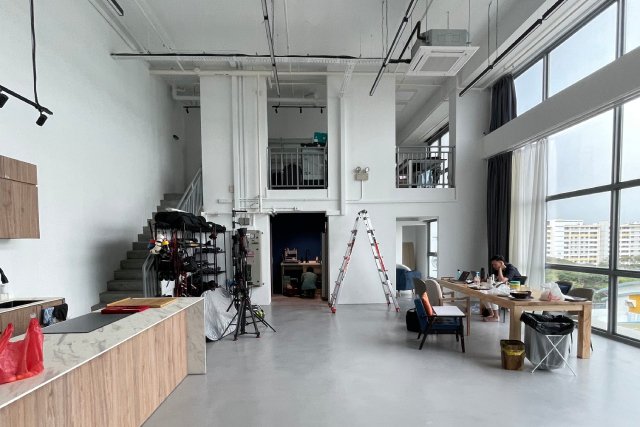
Office construction often feels more complex than homeowners expect. It is not just about knocking down walls or choosing new fixtures. Every decision affects how smoothly your team can work, the safety of the environment, and the long–term comfort of everyone who uses the space. When an office is under renovation, even small delays can disrupt productivity, affect clients, and place unnecessary stress on staff who still need to perform at their best.
Because of this, starting a renovation when you already have a packed work schedule can feel overwhelming. Yet many businesses, especially in Singapore, do not have the luxury of “waiting for the perfect time.” The reality is that offices continue to operate, deadlines do not stop, and renovation work still needs to be completed. The good news is that with the right planning, a reliable partner, and clear strategies, you can manage your timeline without compromising your daily workflow. Whether you are refurbishing meeting rooms or rethinking your entire layout, taking a thoughtful approach helps your project stay on track.
Understanding your renovation scope
Before work begins, take time to clarify what needs to be done. Many delays happen because teams do not have a full picture of the renovation scope. Ask yourself what areas must be prioritised, what can wait, and how much downtime your business can realistically accommodate. If your timeline is already tight, plan for phased work, such as completing high–traffic zones first or renovating floor by floor.
It also helps to identify tasks that require permits, inspections, or formal submissions. These steps sometimes take longer than expected, so understanding the process early prevents last–minute surprises. If you are working with a construction company for commercial use in Singapore, they should guide you on regulatory requirements, estimated lead times, and risk areas that might affect scheduling.
Choosing the right partner
Renovations are much easier when you have a professional team that understands your needs. Instead of choosing the first available contractor, look for one with experience in office projects, especially those that require tight timelines. A reliable partner will not only plan the schedule carefully but also anticipate challenges.
Communication is equally important. If your contractor keeps you updated, you can work your business schedule around renovation milestones. Some businesses appreciate contractor and client friendships for smoother collaboration, although professionalism should always remain central. Look for a team that asks questions, provides clear timelines, and stays transparent about any changes.
Planning around your busiest periods
Every business has peak seasons. For some, this might be the end of the financial year, while for others, it could be festive sales or client renewal seasons. Renovating during your busiest period can add unnecessary pressure. If you can, schedule heavier renovation tasks during quieter months or weeks when staff presence is lower.
If your peak season is unavoidable, then plan to shift renovation work to evenings or weekends. Some contractors offer after–hours work arrangements to reduce disruptions. Although this may increase costs, the trade–off is a smoother workflow during office hours, fewer noise complaints, and less downtime.
Building buffer time into your plan
Even the most organised renovation schedules can meet unexpected delays. Imported materials might arrive late, unexpected structural issues could appear, or approvals may take longer than planned. To avoid panic, create a realistic buffer.
A general rule is to set aside an extra 10 to 20 per cent of the estimated project duration. This buffer does not mean you expect delays, but it protects your business from unnecessary stress. If things stay on schedule, you finish early. If there are setbacks, you still have room to adjust.
Coordinating closely with your team
Renovations affect everyone who uses the space. Let your team know what to expect, including temporary changes to seating arrangements, meeting room availability, or access to certain areas. Staff are usually more understanding when they are informed, and they can make necessary arrangements, such as working from home or shifting meeting venues.
It is also helpful to appoint an internal liaison. This person acts as the main contact between your team and the contractor. When communication stays centralised, decisions are made faster, updates reach everyone, and changes can be approved promptly without unnecessary delays.
Setting communication routines
Clear communication prevents confusion. Regular check–ins with your contractor help you track progress, make timely decisions, and adjust your business operations when needed. Weekly updates are helpful for long projects, while daily check–ins work better when deadlines are tight or when the project reaches a critical stage.
Some teams prefer communication through email, while others prefer a shared messaging group. Choose a method that allows quick responses but does not distract everyone from their usual work responsibilities.
Managing noise and workspace disruption
Noise is one of the biggest challenges during renovation, especially in an office environment where focus is essential. While not all noise can be eliminated, strategic planning can reduce discomfort. For example, schedule louder tasks during periods with fewer meetings or when staff are offsite.
If you have hybrid working arrangements, encourage staff who do not need to be physically present to work from home on noisier days. Flexible arrangements help maintain productivity while giving the construction team more freedom to work efficiently.
Keeping materials and approvals in order
Delays often stem from missing materials, slow procurement, or approvals stuck in process. To prevent this, ensure that materials are confirmed early. If possible, choose options with shorter lead times, especially if your renovation is fast–paced. Your contractor should also help ensure that all required documents, permits, and submissions are prepared on time.
Some companies prefer having a dedicated spreadsheet or shared folder that tracks everything, from delivery dates to approval status. This simple step keeps everyone aligned and reduces the chance of missed deadlines.
Preparing contingency plans
Even with thorough planning, surprises can happen. For example, you may discover electrical issues that require rewiring, or the project may need additional work after old fixtures are removed. Preparing a contingency plan helps you stay calm when unexpected issues arise.
Consider alternatives such as temporary workspaces, pop–up meeting rooms, or short–term rental options if key areas need more time than expected. Being flexible can keep your business running smoothly despite disruptions.
Bringing everything together
Managing renovation timelines during a busy work schedule can feel challenging, but it becomes manageable with the right strategies. When you take time to understand your project, choose a reliable partner, and maintain steady communication, your renovation stays on track without adding unnecessary stress. Remember that renovation is not only about improving the physical space but also about supporting your team’s comfort and productivity during the transition.
Conclusion
A well–managed renovation sets your office up for long–term success, even when your schedule is packed. Careful planning, clear communication, and choosing the right renovation partner all make a difference in keeping your project on time and your workday running smoothly. For professional support, Kang Sheng Engineering offers design–build services and general contracting services for both residential and commercial projects, helping you complete your renovation with confidence and clarity.