Office spaces are no longer what they used to be. In the past, most organisations in Singapore designed work environments based on cubicles, fixed meeting rooms, and predictable daily routines. But work dynamics have shifted drastically over the last few years. With hybrid working becoming a norm in a post-COVID world, employees have found new ways to stay productive, whether they are collaborating onsite or tuning in from home. As a result, many companies are rethinking what the “office” truly means today.
Businesses are also paying closer attention to workplace experience. Younger talent seeks flexibility, comfort, and a place that feels meaningful to work in – not just rows of desks. Employers, too, are recognising how a well-designed office can boost creativity, encourage face-to-face interaction, and foster a stronger company culture. At the same time, the need for adaptable spaces has grown, especially as organisations scale up or down and require additional office space without wanting to commit to long, disruptive renovation cycles. This is where modular construction enters the conversation.
What exactly is modular construction?
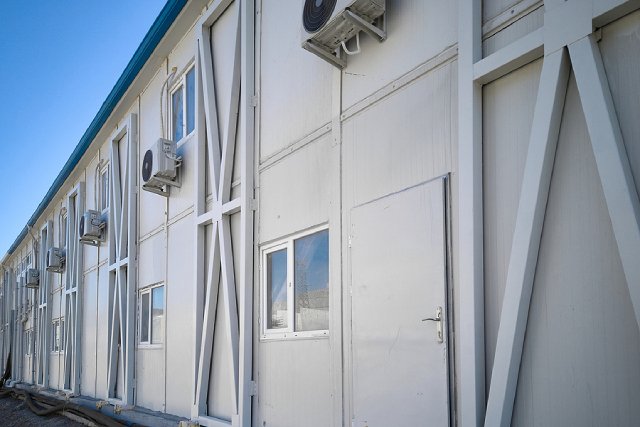
Modular construction refers to a building method where major components, such as walls, floors, electrical panels, washrooms, or even entire rooms, are manufactured off-site in a factory under controlled conditions. These prefabricated units are then transported to the office site and assembled like building blocks.
Think of it as creating a functional workspace through modules rather than constructing everything from scratch. The modules are produced with precision, ensuring quality and consistent standards. Once assembled onsite, the space looks and performs like a traditionally built office, but the process behind it is much quicker and far more efficient.
Why businesses are paying attention
Singapore’s economy moves fast, and companies often need to make decisions quickly. A traditional renovation may take months, especially if approvals, material sourcing, and manpower scheduling become complicated. With modular construction, businesses can minimise these delays and avoid a long disruption to operations.
Here are some of the strongest reasons modular construction is gaining interest:
1. Speed without compromising quality
One of the biggest selling points of modular construction is speed. Because modules are fabricated simultaneously with onsite preparation, overall project timelines are significantly reduced. For many organisations in Singapore, time lost to renovation can mean real financial losses.
Imagine having your team wait for new meeting rooms to be completed, only for the project to drag on due to weather delays or manpower shortages. With modular methods, most of the work is done indoors at a controlled facility, so progress is steady and predictable. When the modules are ready, installation onsite is swift and causes less disruption.
A faster turnaround means businesses can adapt to new demands more effectively, whether it’s creating more collaborative areas or reorganising for hybrid working.
2. Flexible and future-ready workspaces
Office layouts today must be prepared for constant change. A company might need team pods today, then more breakout areas next quarter. Traditional builds are rigid; once you fix a wall, it is expensive to alter it again.
Modular construction is designed to be reconfigured. If a department expands or a new working style emerges, modules can be added, relocated, or swapped out. Businesses won’t feel “locked in” by their space choices. This level of flexibility allows office design to grow along with the company, not hold it back.
This benefit is especially attractive for co-working spaces and fast-scaling start-ups in Singapore that must evolve continuously.
3. Better sustainability for a greener future
As Singapore moves toward its Green Plan 2030, sustainability becomes a responsibility. Modular construction supports these goals in several ways:
- More efficient use of materials, reducing waste
- Factory-controlled processes that reduce errors and rework
- Less noise and dust disturbance to surrounding environments
- Easier disassembly and reuse of parts in future projects
For companies that prioritise environmental performance in their corporate branding, modular solutions provide a tangible way to walk the talk.
4. Consistent workmanship and better quality control
Because modules are built in a controlled environment, mistakes are fewer, and it’s easier to ensure every component meets quality standards. Rain, heat, and onsite constraints won’t affect the building process.
Hiring a commercial renovation contractor in Singapore who is experienced in modular design means you get professional oversight from factory to final installation. Businesses can enjoy cleaner finishes and more reliable building performance without unexpected surprises halfway through the project.
5. Cost management and reduced operational downtime
Budget is always a concern, especially for SMEs. Modular construction helps keep costs predictable by streamlining labour and material needs. Fewer onsite workers are required, and the shorter installation timeline helps prevent prolonged downtime.
Not needing to halt business completely during renovation can already make a big difference. Staff can continue working in parts of the office while certain areas are upgraded off-site. This reduces stress for both HR teams and employees who rely on stable workplace support.
6. Adaptable to different design concepts
Some may assume modular equals boring. The reality is quite the opposite. Today’s modular design solutions come with diverse finishes and structural possibilities. Businesses can customise:
- Private rooms and enclosed areas
- Open collaboration zones
- High-spec AV meeting spaces
- Pantry and utility rooms
- Acoustic booths for video calls
- Sustainability-driven materials and layouts
Singapore companies can use modular construction to create unique spaces that reflect their brand identity without going through a lengthy reinvention every few years.
What about safety and compliance?
Safety regulations still apply, which means modular buildings must meet BCA guidelines, fire safety requirements, and accessibility standards. A trusted contractor will ensure all approvals are in place before onsite assembly begins.
In many ways, modular components are actually safer, since much of the critical construction is performed in a supervised facility with proper oversight and engineering controls.
Is modular construction right for every office?
Not necessarily. Some companies with highly customised needs or major structural changes may still require traditional renovation methods. However, modular innovations continue to advance, and more businesses are finding that it offers an ideal balance between speed, flexibility, and quality.
Especially for organisations that want to try out new workspace layouts without a long-term lock-in, modular is a smart, future-aligned approach.
Conclusion
As workplace expectations evolve and hybrid working becomes a permanent reality, companies in Singapore need offices that can adapt quickly without long, costly disruptions. Modular construction presents a practical solution that offers speed, sustainability, and future-readiness, helping businesses create spaces that truly support their people.
If you are exploring smarter ways to redesign your workplace, Kang Sheng Engineering can help make it happen. We offer design-build services and general contracting services for commercial projects, working closely with you to bring functional and inspiring office environments to life.