With its stringent rules and regulations, the construction industry in Singapore might seem like its transactions are seamless on the surface, but reality tells a different story. Disputes are, in fact, a common occurrence in this sector. From workmanship issues to unclear contracts, there are plenty of reasons conflicts can arise. When they do, projects often become more costly and time-consuming for both landed house builders and homeowners. Long-drawn disputes can even drag on for months, delaying handovers and souring relationships.
For homeowners, this means the timeline to finally move into their dream home gets pushed back, which is something no one wants after months of anticipation and investment. That’s why it pays to understand what typically triggers disputes when building a landed home in Singapore and, more importantly, how to prevent them.
Why are landed housing construction projects prone to disputes?
According to the Micro Builders Association Singapore (MBAS), up to 40% of its members have experienced disputes with homeowners in recent years. A large proportion of these disputes stems from defects identified by unregulated third-party assessors.
While assessors may conclude that the workmanship is “within tolerance”, homeowners often disagree and sometimes view these assessments as biased. Tolerance, in construction, refers to acceptable variations in building works. Every material has a natural level of variation, and minor deviations are often permissible under industry standards. But without clear communication, homeowners may see these differences as defects. This creates a chicken-and-egg situation, where contractors could also claim that homeowners are similarly biased if they have their own hired assessors.
The absence of a uniform third-party quality assessment scheme for landed homes has only amplified this problem. Miscommunication adds fuel to the fire, with some homeowners insisting on unsuitable materials despite professional advice, or relying on online forums rather than expert input. These choices often lead to misconceptions about contractor performance and quality standards.
As landed property transactions rise in Singapore, the number of disputes is likely to increase if these systemic issues remain unaddressed. And if conflicts escalate, they don’t just result in project delays; they can end up in costly lawsuits.
Top tips to mitigate disputes in landed housing construction
1. Work with trusted contractors with proven work ethic
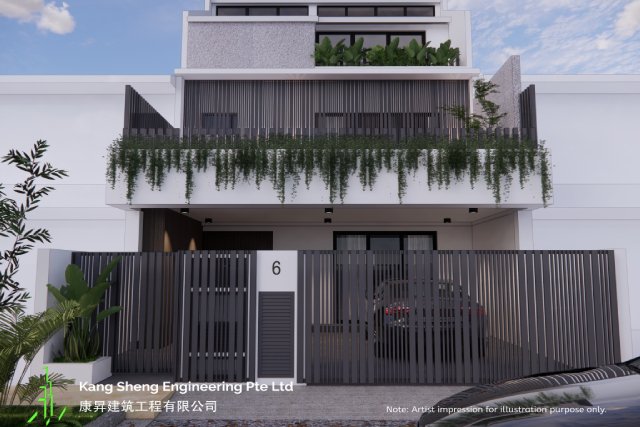
At the core of many disputes lies the quality of the contractor engaged. Choosing a contractor with a solid track record, professionalism, and integrity can make all the difference. Reputable firms such as Kang Sheng Engineering are known for our reliable work ethic and commitment to quality, giving homeowners greater confidence that their projects will be delivered smoothly and with fewer risks of disputes.
2. Understand the contract and keep it detailed
It may sound obvious, but vague or misunderstood contracts are one of the leading causes of disputes. Even if both parties are familiar with standard contract templates, small modifications or ambiguous clauses can create outsized risks.
Always use a written contract that leaves little room for interpretation. Specify the scope of works, clearly outline precedence between drawings and specifications, list approved material brands and grades, set workmanship standards, and reference benchmarks such as BCA’s Good Industry Practices.
Don’t forget to include rules for variations, liquidated damages, retention sums, and a structured dispute resolution clause. Payment terms should align with Singapore’s Security of Payment (SOP) Act, which prevents confusion around timelines for claims and responses. A comprehensive contract creates transparency, reducing the chance of arguments later.
3. Maintain an accurate and realistic schedule
Delay claims are another frequent source of disputes. That’s why it’s essential to create and maintain a realistic project schedule. This should account for real-world factors like authority approvals, inspection timelines, National Environment Agency (NEA) noise restrictions, and neighbourhood sensitivities in landed estates.
Track delays contemporaneously and follow Extension-of-Time (EOT) procedures properly, with evidence such as site diaries, photos, or inspection records. Regularly update the schedule and document discussions during site meetings. A well-maintained schedule ensures everyone works from the same source of truth, making it easier to resolve disagreements if timelines slip.
4. Prioritise clear communication and thorough documentation
Many disputes are born from simple miscommunication. Setting up a communication plan from the start can prevent this. Weekly site meetings with circulated minutes, shared folders for drawings and approvals, and clear processes for Requests for Information (RFIs) can make a world of difference.
Equally important is documentation. Record everything, from contract variations and site instructions to test results and progress photos. In the event of a dispute, factual evidence will always carry more weight than memory or hearsay.
5. Only work with accredited assessors
Not all defect checkers are equal. Some may lack formal accreditation or may have financial incentives to find more problems than truly exist. That’s why it’s best to engage assessors who are accredited under frameworks like BuildTrust.
With accredited professionals, any defects or workmanship issues identified are measured against recognised industry standards, reducing unnecessary arguments and ensuring fairness for both sides.
6. Use payment structures that minimise financial risk
Money is another common flashpoint. To avoid disputes, stay away from large upfront payments. Instead, opt for milestone or progress payments tied to verified work.
Singapore’s SOP Act provides statutory protection for progress payments, setting strict timelines for claims and responses. Even if disputes arise, adjudication offers a fast and cost-effective path to resolution. Do note, however, that very small residential projects without Building Plan submissions may not fall under SOPA, so it’s worth clarifying your project’s eligibility early on.
7. Bring in mediation early
When issues crop up, don’t let them turn into unmanageable disputes. Many construction contracts already include mediation as a first step before arbitration or litigation. Organisations such as the Singapore Mediation Centre (SMC) provide experienced mediators who can resolve conflicts swiftly and fairly. Early mediation not only keeps costs and timelines under control but also helps preserve working relationships, which is a vital consideration in projects as personal and significant as building a home.
Conclusion
There will always be a potential for disputes in any landed home construction project. But, with accredited assessors now in place and the tips shared above, homeowners and contractors alike can reduce conflict and focus on what really matters: delivering a quality home. By sticking to structured approaches like BuildTrust, choosing trusted contractors such as Kang Sheng Engineering, and being proactive in managing expectations, landed housing projects stand a much better chance of staying on track and dispute-free.
Ultimately, reducing conflict isn’t just avoiding legal battles but also ensuring that homeowners can move into their dream homes with peace of mind. If you’re looking for a reliable partner to bring your landed housing project to life, reach out to Kang Sheng Engineering today.