Property ownership is one of the biggest financial decisions many people make in Singapore. Beyond the location, layout, and price of a property, the type of tenure attached to it can significantly affect its long-term value and how it fits into your future plans.
Many buyers find themselves deciding between leasehold and freehold properties without fully understanding what those terms actually mean. While both types allow you to own and live in the property, the differences can influence financing, resale potential, redevelopment options, and even how the property’s value behaves over time.
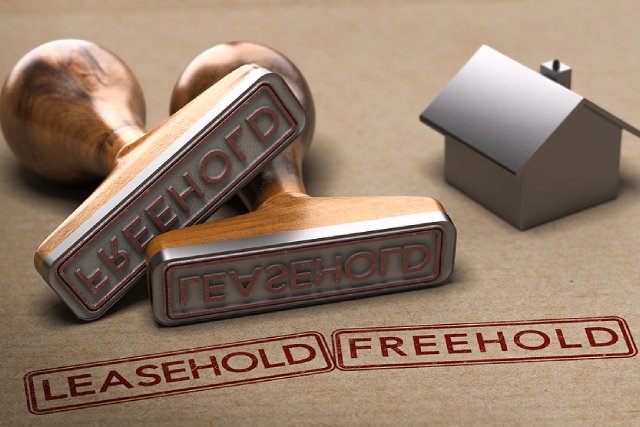
Understanding the difference between leasehold and freehold is therefore an important step before committing to a purchase.
What does property tenure mean?
Property tenure refers to how long you have the right to own and use the land on which a property sits.
In Singapore, the two most common forms of tenure are:
- Leasehold (99 years)
- Freehold (999, 9999 years or freehold)
These terms apply to various types of properties, including condominiums, landed homes, and even some commercial developments. At first glance, the difference may appear simple. One lasts forever while the other has a time limit. However, the practical implications go much deeper, affecting everything from property value to redevelopment possibilities.
What is leasehold property?
A leasehold property is one where ownership lasts for a fixed period of time. After the lease expires, the land returns to the state unless it is renewed. Most leasehold properties in Singapore come with a 99-year lease, although some developments have shorter leases, such as 60 or 30 years.
Key characteristics of leasehold properties:
- Ownership lasts for a defined period (commonly 99 years)
- The remaining lease decreases each year
- Property value may decline as the lease shortens
- Banks may impose stricter loan limits on older leases
- Lease renewal is usually uncertain
For example, many Housing & Development Board (HDB) flats fall under a 99-year leasehold tenure. Some private condominiums and landed estates are also built on leasehold land. This structure allows the government to manage land use over time while keeping property prices more accessible compared with freehold developments.
What is freehold property?
Freehold property gives the owner indefinite rights to the land and building, meaning there is no expiry date attached to the ownership. While this sounds like permanent ownership, it still operates within Singapore’s broader planning regulations and land acquisition laws. The government retains the authority to acquire land for public purposes if necessary.
Key characteristics of freehold properties:
- Ownership has no fixed expiry date
- Property value typically holds stronger over time
- Greater flexibility for future redevelopment
- Often commands a higher purchase price
Freehold tenure is commonly associated with landed housing areas and certain private condominiums. Because of the limited supply of freehold land in Singapore, these properties often carry a premium.
Leasehold vs freehold: A quick comparison
Understanding the difference between leasehold and freehold becomes clearer when comparing the two side by side.
| Feature | Leasehold | Freehold |
| Ownership duration | Fixed period (usually 99 years) | Indefinite, 999 years |
| Property value over time | May decline as lease shortens | Generally more stable |
| Purchase price | Typically lower | Usually higher |
| Financing | Loan restrictions may apply for short leases | Generally easier financing |
| Redevelopment potential | Limited by lease duration | Greater flexibility |
While freehold properties may appear more attractive, leasehold properties can still be good investments depending on location, demand, and development quality.
How lease length affects property value
One major factor influencing property decisions is how lease length impacts value. As the remaining lease on a property decreases, buyers may become more cautious. Banks may also reduce loan tenures for properties with shorter remaining leases.
Some common considerations include:
- Properties with less than 60 years remaining may be harder to finance
- Buyers may face reduced CPF usage for older leasehold homes
- Resale prices may gradually decline as the lease approaches expiry
However, location and development quality can still maintain strong demand. Prime developments often retain value even as leases shorten, especially if they are located near transport hubs or business districts.
Considerations for landed property buyers
When it comes to landed homes, the tenure type becomes particularly important. Many buyers exploring landed housing options, such as terrace homes or semi-detached houses, often prefer freehold tenure because it offers long-term flexibility for rebuilding or major renovations.
This is where professional planning becomes essential. When working with landed house builders in Singapore, homeowners often consider future expansion, redevelopment possibilities, and multi-generational living needs. Some buyers also plan rebuild projects on older freehold plots, creating modern homes while retaining the valuable land ownership.
That said, leasehold landed properties can also present interesting opportunities. Many newly built landed houses are designed to last around 30 to 40 years, which means buyers may still enjoy several decades of comfortable living even if the land itself has a limited tenure.
In some cases, buyers may choose a more affordable leasehold landed plot, then allocate the savings towards rebuilding the house to suit their own lifestyle. This approach can allow homeowners to enjoy a newly designed home tailored to their needs, without stretching their budget to secure a freehold property in the same location. Of course, this strategy comes with a trade-off. While a rebuilt leasehold home may provide decades of enjoyment for the current owner, it may not hold the same long-term inheritance value compared with freehold land. Buyers who prioritise leaving a lasting legacy for future generations may still prefer freehold tenure for that reason.
Cost differences between leasehold and freehold
Price is another major factor that influences buyer decisions. Freehold properties generally cost more than comparable leasehold developments in the same area. The premium varies depending on location and market conditions.
Typical differences may include:
- Prime districts may command an even larger premium.
- Leasehold properties can offer better affordability for first-time buyers.
Because of these differences, some buyers prioritise location over tenure. A well-located leasehold property may still offer strong lifestyle benefits and rental potential.
Financing and loan considerations
Mortgage financing rules in Singapore also interact with property tenure. Banks and financial institutions assess loan eligibility partly based on the remaining lease.
Important considerations include:
- Maximum loan tenure may shorten if the lease is older.
- CPF usage for housing may be limited for short remaining leases.
- Older leasehold properties may require larger cash down payments.
These factors can influence affordability and should be evaluated carefully before committing to a purchase.
Resale value and market demand
Resale potential is another key concern for many buyers. Freehold properties tend to retain demand because they offer long-term ownership. Investors and homeowners alike often view them as more secure assets. However, leasehold properties can still perform well in the resale market when they offer:
- Good connectivity to MRT stations
- Strong neighbourhood amenities
- Popular school zones
- Attractive development facilities
Ultimately, buyers should evaluate both tenure and location together rather than focusing solely on one factor.
Which option is better for you?
There is no universal answer to whether leasehold or freehold property is better. The right choice depends on your goals, financial situation, and lifestyle plans.
Some buyers prefer leasehold properties because they:
- Are generally more affordable
- Offer access to prime locations
- Allow homeowners to invest in rebuilding or renovations within their budget
Others prioritise freehold ownership because they:
- Want long-term security
- Plan to rebuild or redevelop landed homes over multiple generations
- View property as a legacy asset for their family
Understanding the difference between leasehold and freehold helps buyers make decisions that align with their long-term plans rather than simply following market trends.
Conclusion
Property tenure is an important factor that shapes the value, flexibility, and long-term potential of a home in Singapore. While leasehold properties can offer affordability and access to desirable locations, freehold homes provide indefinite ownership and greater redevelopment possibilities.
For homeowners planning major renovations, rebuilding projects, or custom landed homes, working with experienced professionals can make the process much smoother. Kang Sheng Engineering provides reliable design-build services and general contracting services for both residential and commercial projects. From planning and construction to project management, our team helps property owners turn their ideas into well-built spaces that suit their long-term needs.