Design-build plans sit at the heart of any successful renovation or construction project, and flexibility makes all the difference. When your plans are adaptable, you can respond to evolving needs, avoid unnecessary rework, and make timely decisions without feeling constrained. This is especially relevant in Singapore, where space, regulations, and lifestyle needs often shift as families grow and businesses expand.
Flexibility also means your project stays resilient when surprises arise. Whether it is a change in material availability, a new safety requirement, or a sudden shift in personal preferences, adaptable plans give you room to pivot without derailing your timeline or budget. With more homeowners and business owners embracing the idea that design-build is the future of construction projects, staying open and versatile becomes even more essential.
Plan with your future needs in mind
One of the simplest ways to keep your design-build plans flexible is to think ahead. Life changes quickly in Singapore, from growing families to changing work arrangements and evolving business operations. Planning with this in mind helps you create spaces that can adapt as needed. For example, an empty bedroom today could become a study tomorrow or a nursery later on. For commercial spaces, adjustable layouts make it easier to reconfigure departments, expand seating, or update workflow without major construction.
A practical way to future-proof your layout is to leave room for adjustment. This may mean avoiding overly fixed built-ins, choosing movable furniture, using partition walls instead of permanent masonry walls, or allocating space that can serve multiple purposes. When you allow your home or office to evolve naturally, you reduce the need for costly changes later.
Be open with your goals and expectations
Good communication forms the foundation of any flexible plan. When working with design and build contractors in Singapore, being clear about what matters most to you helps them propose options that meet your priorities. If certain elements of the project are negotiable, say so early. If you have strict requirements, highlight them upfront.
Clear communication also ensures your contractor can anticipate potential adjustments ahead of time. By understanding your lifestyle, routines, and long-term goals, they can suggest design ideas that offer flexibility without compromising your vision.
Prioritise multi-functional layouts
Multi-functional spaces are increasingly valued in Singapore, given the common need to maximise every square foot. Whether you are planning for a home renovation or a commercial refresh, designing areas that can serve more than one purpose gives you tremendous freedom.
A study area that doubles as a guest room, a dining space with flexible seating, or an open office layout that allows for easy rearrangement can all help you adapt without hassle. This approach also keeps your environment feeling fresh, as you can reorient furniture or repurpose spaces when life demands it.
Choose materials that are easy to maintain or update
Flexible planning also involves selecting materials that can adapt to changes over time. For example, modular cabinetry, removable wall panels, and vinyl flooring that are easy to replace make it simpler to refresh the look of your space. If you ever want to change colours, finishes, or functions, the process becomes far less intimidating.
Additionally, thinking about maintenance needs is important. Durable, low-upkeep materials let you focus on long-term functionality rather than worrying about constant replacement or repairs. Singapore’s humid weather can be hard on certain materials, so choosing wisely helps preserve your flexibility and protects your investment.
Keep your budget adaptable
Setting aside a contingency budget is one of the most effective ways to maintain flexibility. Even with the best planning, unexpected adjustments happen. Market prices shift, new ideas emerge during construction, and site conditions may differ from initial expectations.
A flexible budget gives you the freedom to make decisions based on quality, long-term value, and practicality rather than feeling boxed in. It allows you to respond to surprises calmly, which in turn preserves the flow of the project.
Stay open to professional recommendations
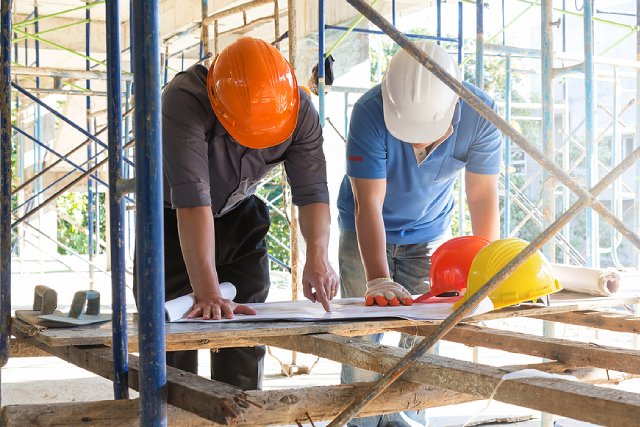
Engaging experienced professionals makes a significant difference. When working with design and build contractors, consider them partners rather than just service providers. Their expertise gives you access to alternative methods, materials, and layouts that you may not have thought about.
Contractors often know which plans offer room for customisation, which materials allow for easier updates, and which layouts support long-term flexibility. By keeping an open mind, you may discover solutions that improve both the function and comfort of your space.
Build in room for adjustments during construction
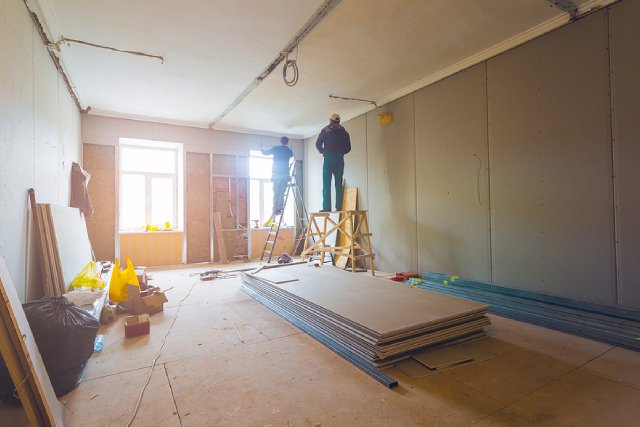
Flexibility does not end when construction begins. In fact, staying open during the building phase often helps you refine your design with better clarity. Seeing the actual space come together may spark new ideas, especially in the context of Singapore’s compact rooms or commercial units where proportions matter.
Small tweaks during construction, such as shifting a partition wall slightly or adjusting lighting placement, can create a more comfortable and functional space. As long as you communicate clearly and early with your contractor, these adjustments can be handled smoothly without major delays.
Don’t overlook smart technology
Smart home and office features add another layer of flexibility. Adjustable lighting systems, smart thermostats, and app-controlled appliances let you adapt your space to your comfort without physical changes. For businesses, digital booking systems, sensor-based lighting, and flexible IT infrastructure support evolving operational needs. Technology also helps reduce future renovation costs, since many adjustments can be done through software or simple upgrades instead of major construction.
Put regular reviews into your planning process
Finally, schedule checkpoints during your planning and construction stages. Instead of finalising every decision at the start, break bigger choices into smaller steps. This prevents you from locking yourself into a design too early and gives you space to make informed decisions as the project develops.
Regular reviews also help ensure your plans remain aligned with your goals, lifestyle, and budget. This approach supports smoother decision-making and reduces stress during the renovation journey.
Conclusion
Flexible design-build planning helps you adapt to changing needs while protecting your timeline, comfort, and long-term investment. With a practical mindset, clear communication, and a willingness to explore versatile solutions, your renovation or construction project can stay responsive to whatever the future brings.
If you are ready to begin your next home or commercial project, reach out to us to explore how we can support your plans with thoughtful, adaptable solutions.