Time is a constant pressure for homeowners and business owners in Singapore. With long workdays, packed schedules, and family commitments, few people can afford a drawn-out construction process. This is why the 30% time-saving benefit of having one point of contact is so attractive to busy Singaporean professionals who want progress without unnecessary complications.
When one team manages both design and construction, decisions move faster, coordination improves, and problems are addressed early. Compared to traditional tendering, where responsibilities are split and handovers are frequent, design and build fits better with how people expect projects to run today.
Why design and build is faster: The key reasons
1. One point of contact reduces waiting time
Traditional tendering involves multiple parties, each responsible for a specific role. When a question arises, it often passes from the contractor to the architect, then to the client, and sometimes back again. Each step adds waiting time.
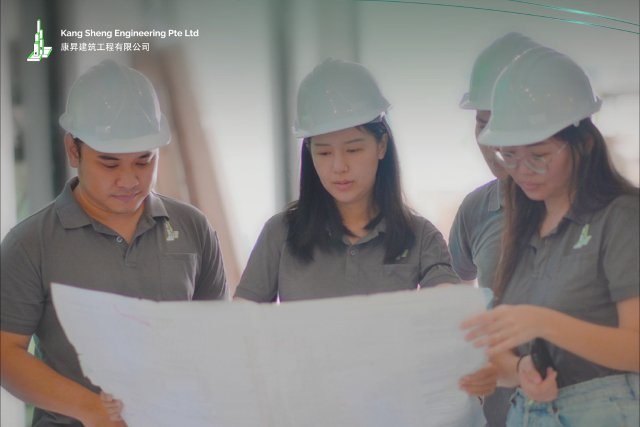
With design and build, communication is streamlined. The client deals with one main team that manages both design intent and construction realities. Questions are answered faster, approvals happen sooner, and work on-site does not stall while responsibilities are clarified.
2. Design and construction can overlap
Under a traditional approach, construction usually starts only after the design is fully completed and the tender is awarded. This linear process leaves little room to make up for lost time.
Design and build allows certain stages to overlap in a controlled way. While layouts are being refined, early planning for materials, authority submissions, and site logistics can already begin. This parallel workflow shortens the overall timeline without compromising quality.
3. Early contractor involvement prevents redesigns
Many delays happen when contractors are brought in too late. Buildability issues, cost concerns, or regulatory challenges may only surface after construction has started, forcing redesigns and rework.
In a design and build setup, construction expertise is involved from the beginning. Potential issues are identified early, when changes are easier and quicker to make. This proactive approach avoids costly pauses later in the project.
4. Faster decision making on changes
Changes are almost inevitable, whether due to budget considerations, site conditions, or evolving needs. In traditional tendering, even minor changes can trigger lengthy revision cycles across several consultants. With design and build, changes are assessed internally for cost, timing, and feasibility. Recommendations are presented clearly, allowing clients to decide quickly. This keeps momentum going and prevents small adjustments from becoming major delays.
5. Clear accountability reduces disputes
Disputes are a common cause of delays. When design and construction are handled by separate parties, disagreements over scope or responsibility can halt progress while issues are resolved.
Design and build places accountability with one party. When something goes wrong, the focus is on fixing the issue rather than assigning blame. Fewer disputes mean fewer stoppages and a more predictable timeline.
6. Better coordination across all trades
Coordination issues often slow projects down. Misaligned drawings, clashes between systems, or unclear details can lead to rework on-site. Because designers and builders work as one team, coordination happens earlier and more naturally. Structural elements, M&E services, and finishes are considered together, reducing the risk of last-minute changes that disrupt the schedule.
7. Cost clarity supports quicker approvals
Uncertainty around costs often leads to hesitation. When budgets are unclear, clients may delay decisions while options are reworked.
Design and build provides earlier cost visibility, as pricing evolves alongside the design. This allows clients to approve decisions with greater confidence, keeping the project moving instead of getting stuck in repeated revisions.
8. Flexibility without losing progress
Some clients worry that design and build limits flexibility. In reality, it often makes adjustments easier. Because the same team controls both design and execution, design-build plans stay flexible without causing major disruption to the schedule. Changes can be evaluated quickly and integrated smoothly, rather than stopping work to reissue drawings to multiple parties.
9. Fewer duplicated processes
Traditional tendering often involves repeated measurements, reviews, and reinterpretation of documents at each stage. While checks are necessary, excessive duplication slows everything down. Design and build streamlines information flow within one team. Everyone works from the same understanding, reducing repetition and keeping progress steady.
10. A better fit for Singapore’s building environment
Singapore’s construction landscape is tightly regulated and time-sensitive. Approval cycles, labour constraints, and high holding costs mean delays can be expensive. For homeowners, delays may mean extended rental costs. For businesses, late completion can affect operations and revenue. This is why many clients actively seek design and build contractors in Singapore who understand local regulations and can manage projects efficiently from start to finish.
Faster does not mean rushed
Design and build is faster, not because corners are cut, but because processes are better aligned. Communication is clearer, responsibilities are defined, and decisions happen when they should. For busy professionals, this approach reduces stress and creates a smoother experience, not just a quicker handover.
Conclusion
Design and build shortens timelines by removing inefficiencies that slow traditional tendering down. With one point of contact, overlapping workflows, and clearer accountability, projects progress with fewer interruptions and less uncertainty.
At Kang Sheng Engineering, we offer design-build services and general contracting services for residential and commercial projects, supporting clients from concept to completion under one coordinated team. If you are looking for a more efficient way to build, speak with us to see how we can help move your project forward with confidence.