When people think about World Health Day, their minds probably go straight to exercise, nutrition, or medical check-ups. It makes sense – health is all about our bodies, right? But what if the environment we live in every day plays a bigger role in our well-being than we realise? Our homes, where we rest, eat, and spend most of our time, can have a huge impact on our health.
From age-old beliefs to modern-day misconceptions, there are plenty of house-related myths that could be affecting our well-being. Let’s take a closer look at some of the most common ones and set the record straight so you can create a safer and healthier home for yourself and your loved ones.
Myth 1: A spotless home is a healthy home
While keeping your home clean is important, excessive cleaning with strong chemicals can actually do more harm than good. Harsh disinfectants and aerosol sprays can release volatile organic compounds (VOCs) into the air, which may cause respiratory issues and skin irritation. Instead, opt for gentler, eco-friendly cleaning products or simple household staples like vinegar and baking soda to keep your home fresh without compromising your health.
Myth 2: Air-conditioning causes colds
It’s a common belief that sleeping in an air-conditioned room will give you a cold, but the reality is that colds are caused by viruses, not cold air. However, air-conditioners can dry out the air, which may irritate your throat and nasal passages. To prevent discomfort, ensure proper maintenance of your air-conditioning system, use a humidifier if needed, and stay hydrated.
Myth 3: Mould only grows in dirty homes
Mould isn’t a sign of a dirty home – it’s a sign of excess moisture. In Singapore’s humid climate, mould can grow even in well-maintained houses. Poor ventilation, leaks, and damp conditions encourage mould growth, which can trigger allergies and respiratory issues. To keep mould at bay, ensure good airflow, fix leaks promptly, and use dehumidifiers in high-moisture areas like bathrooms and kitchens.
Myth 4: Opening windows is enough for good ventilation
While opening windows helps with airflow, it’s not always enough – especially in high-rise apartments where cross-ventilation can be limited. Poor indoor air quality can lead to headaches, fatigue, and respiratory problems. Consider installing exhaust fans, air purifiers, or ventilation systems to improve air circulation and remove pollutants from your living space.
Myth 5: All home renovations are safe and harmless
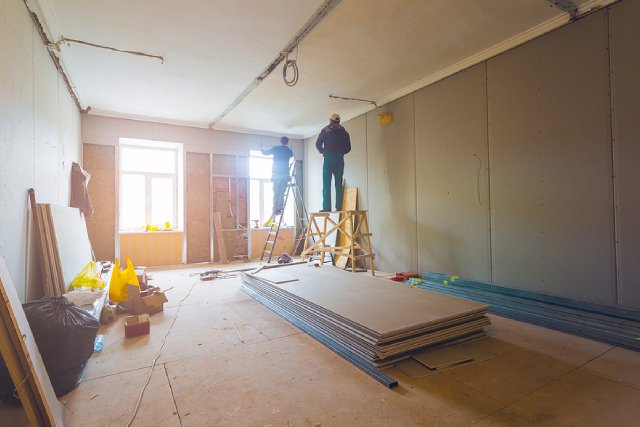
Many homeowners assume that home renovations are purely aesthetic, but some projects can pose health risks if not done properly. Lead-based paint, asbestos in older buildings, and improper handling of construction materials can contribute to health hazards. If you’re planning a renovation, it’s crucial to engage professionals who follow safety regulations and ensure the well-being of your household.
Myth 6: Wi-Fi signals and electronic devices cause major health issues
There’s a lot of fear surrounding Wi-Fi signals and electronic devices, with claims that they cause cancer or serious illnesses. The truth is, the radiation levels from household electronics are very low and fall within safe exposure limits. However, excessive screen time can cause eye strain and disrupt sleep, so it’s still a good idea to take breaks from devices and maintain healthy sleep habits.
Myth 7: Plants purify indoor air completely
Indoor plants are often praised for their air-purifying abilities, but while they do absorb some pollutants, their impact is minimal unless you have a large number of them. To truly improve indoor air quality, focus on proper ventilation, regular cleaning, and reducing indoor pollutants rather than relying solely on plants.
Myth 8: Running water is always clean
Many people assume that tap water is always safe to drink, but contaminants can still be present due to ageing pipes or maintenance work. While Singapore’s water supply is among the safest in the world, it’s still a good practice to use a water filter to remove any potential impurities and ensure the best quality drinking water for your household.
Myth 9: New furniture and renovations have no impact on indoor air quality
New furniture, carpets, and renovations can release VOCs into the air, affecting indoor air quality and potentially causing headaches, dizziness, and irritation. Allow proper ventilation after renovations and choose low-VOC materials whenever possible to minimise exposure to harmful chemicals.
Myth 10: DIY repairs are just as good as professional work
It’s tempting to handle home repairs and improvements yourself, especially with all the online tutorials available. While minor fixes are manageable, structural work, electrical repairs, and plumbing require professional expertise. Trust is key when it comes to general contracting services in Singapore, as experienced contractors ensure work is done safely, correctly, and in compliance with local regulations.
Conclusion
Our homes should be a sanctuary, not a source of hidden health risks. By debunking these common myths and making informed choices, we can create a safer, healthier environment for ourselves and our families. From proper ventilation to careful selection of cleaning products, small changes can make a big difference in overall well-being.
If you’re planning a home renovation or need expert guidance in creating a safe and functional living or working space, Kang Sheng Engineering offers design-build services and general contracting services for both residential and commercial projects. Get in touch with us today to build a healthier and better home or workspace!