Electricity bills do not stay still for long. As prices fluctuate year to year, more homeowners are starting to question whether the usual air-conditioning heavy approach still makes sense for landed homes. Comfort matters, of course, but there is growing interest in homes that stay cool naturally, use less power, and feel good to live in over the long term. This shift has led many owners to look closely at zero-energy concepts and passive house builders who design with efficiency from the ground up.
This mindset is especially relevant in Singapore, where heat and humidity are daily realities. A well-designed landed home can work with the climate instead of constantly fighting it. Passive cooling, combined with solar-ready planning, gives homeowners a way to reduce reliance on air-conditioning while preparing the house for clean energy use, both now and in the future.
What “solar-ready” really means for landed homes
A solar-ready house is not just one with panels added later as an afterthought. It is a home designed from the start to support solar systems easily and efficiently. This includes planning roof orientation, structure, wiring routes, and space for inverters and batteries.
For landed homes in Singapore, this often means designing roof slopes that receive good sun exposure throughout the day, avoiding excessive shading from unnecessary roof features, and ensuring the roof structure can handle panel loads comfortably. Electrical provisions are also important. Conduits, distribution boards, and space for future upgrades save cost and disruption later on.
Solar-ready planning gives homeowners flexibility. Some install panels immediately, while others prefer to wait until budgets or incentives align. Either way, the house is prepared, and that preparation pays off over time.
Passive cooling: Comfort without overworking air-conditioning
Passive cooling focuses on reducing heat gain and improving natural ventilation so that indoor spaces remain comfortable with less mechanical cooling. In Singapore’s climate, this is not about eliminating air-conditioning completely. It is about using it less often and more efficiently.
Key passive cooling strategies include:
- Orientation and layout
Rooms are positioned to minimise direct afternoon sun exposure, especially for bedrooms and living areas. Service areas like staircases or bathrooms can act as buffers against heat.
- Cross-ventilation
Thoughtful placement of windows and openings allows breezes to flow through the house. This makes a noticeable difference during cooler parts of the day and at night.
- Shading elements
Overhangs, balconies, screens, and vertical fins block harsh sun while still letting in daylight. These features are particularly useful on west-facing facades.
- Thermal mass and insulation
Proper insulation slows heat transfer through roofs and walls, while materials like concrete can help stabilise indoor temperatures when used correctly.
When these elements work together, indoor spaces feel calmer and cooler, even before switching on the air-conditioner.
Roof design: The quiet hero of energy efficiency
The roof plays a huge role in both solar readiness and passive cooling. Poorly designed roofs trap heat and radiate it into the home all day. A well-designed one does the opposite.
High-quality roof insulation reduces heat penetration significantly. Ventilated roof spaces allow hot air to escape rather than build up. Light-coloured or reflective roof finishes also help by bouncing heat away.
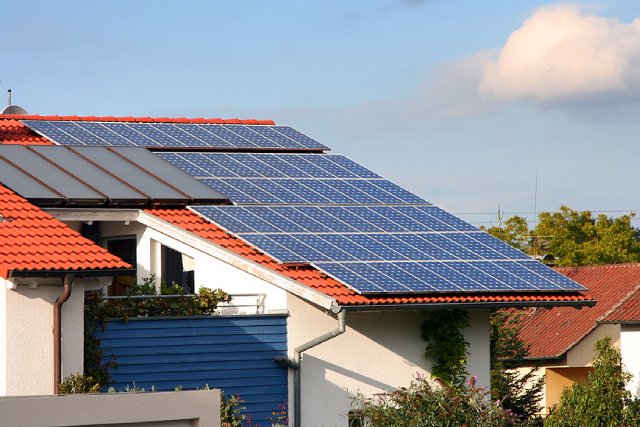
This is where many homeowners start asking why roof solar panels are worth it, especially when combined with good insulation and ventilation. Solar panels can shade the roof surface itself, reducing heat gain while producing electricity at the same time. The benefits go beyond power generation.
Window design that works with the climate
Glass is often the weakest point in a home’s thermal performance. Large windows look great, but without proper planning, they invite heat and glare. In solar-ready, passively cooled homes, windows are designed with purpose. Low-emissivity glass reduces heat transmission. Window placement considers sun paths, not just views. Adjustable shading, such as louvres or blinds, gives occupants control throughout the day.
Natural light still matters, and good design balances brightness with comfort. The goal is a home that feels open without overheating by mid-afternoon.
Planning early with the right professionals
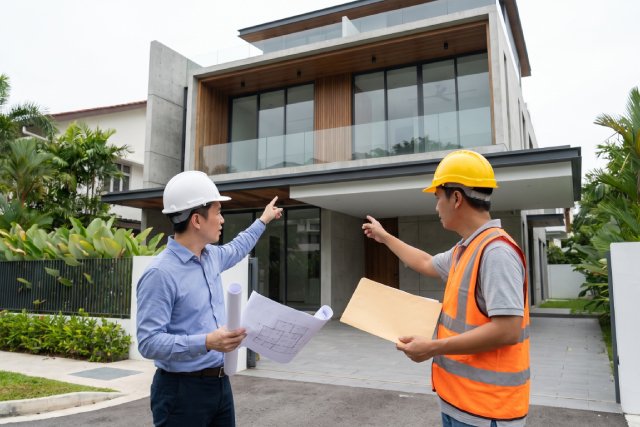
Passive cooling and solar readiness are not bolt-on features. They work best when considered early in the design process. This is where experienced design and build contractors add real value.
Instead of juggling separate designers, builders, and consultants, an integrated team can coordinate architectural design, structural planning, and energy considerations together. Decisions about roof shape, window placement, and material choices are made with a full understanding of how they affect comfort, cost, and long-term performance.
Early coordination also helps manage budgets. Passive strategies often reduce the need for oversized air-conditioning systems, which lowers both upfront and running costs.
Long-term savings beyond electricity bills
Energy-efficient landed homes offer more than monthly savings. Over time, reduced wear on air-conditioning systems means fewer repairs and replacements. Comfortable indoor temperatures improve day-to-day living, especially for families with children or elderly members.
There is also growing awareness among buyers about sustainability and operating costs. Homes designed with solar readiness and passive cooling tend to age better in the market, as expectations around energy efficiency continue to rise. For homeowners planning to stay long-term, the benefits are felt daily. For those considering resale, these features can become strong selling points.
Conclusion
Designing a solar-ready, passively cooled landed home requires clear thinking, coordination, and experience. By aligning design intent with practical construction, Kang Sheng Engineering helps create homes that stay comfortable, efficient, and future-ready. If you are planning a new build or major rebuild, our team is ready to support you from concept through completion.