Stairs are part of daily life in many landed homes across Singapore. From terrace houses to semi-detached properties and bungalows, multi-level living often means walking up and down several flights of stairs throughout the day. While this layout creates more living space, it can also become inconvenient over time, especially for families with young children, elderly parents, or heavy items to carry between floors.
More homeowners are beginning to rethink how they move around their homes. A home lift is no longer considered a luxury reserved only for large bungalows. Today, having a lift in landed house properties has become a practical upgrade that improves accessibility and even long-term property value.
This guide explores why home lifts are gaining popularity in Singapore’s landed properties, what homeowners should consider before installation, and how they can enhance everyday living.
Why home lifts are becoming popular in Singapore
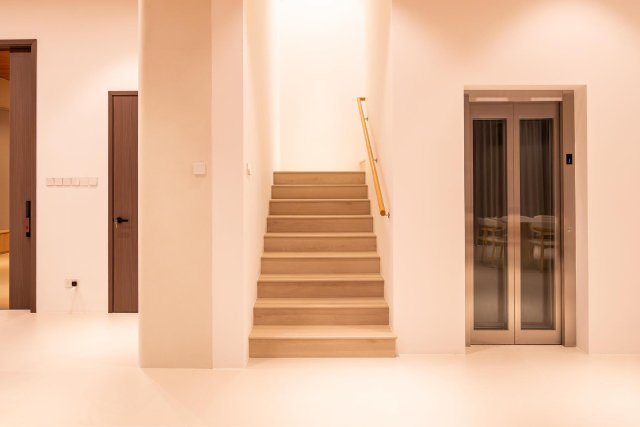
Singapore’s landed homes are typically designed with two to four storeys. While this maximises land use, the vertical layout can present daily challenges. A home lift offers a simple solution. It allows family members to move comfortably between floors without relying solely on stairs.
Several factors are driving this trend:
- Ageing in place – Many homeowners plan to stay in their landed homes for decades. As parents grow older, climbing stairs may become difficult. A home lift helps older residents maintain independence while remaining in the home they are familiar with.
- Family-friendly living – Families with young children often carry strollers, groceries, toys, and laundry between levels. A lift makes these daily tasks much easier and safer.
- Convenience and comfort – Moving heavy items such as luggage, furniture, or large grocery hauls becomes significantly easier with a lift installed.
- Increasing property value – A well-designed lift can make a property more appealing to future buyers, especially multi-generational families.
What is a home lift?
A home lift is a compact elevator system designed specifically for residential properties. Unlike commercial lifts found in office buildings, residential lifts are smaller, quieter, and tailored for private homes. Most lifts installed in landed houses are designed to serve between two and four floors.
Common types include:
- Hydraulic lifts – Smooth operation using hydraulic pressure
- Traction lifts – Operate with cables and counterweights
- Pneumatic lifts – Use air pressure to move the lift cabin
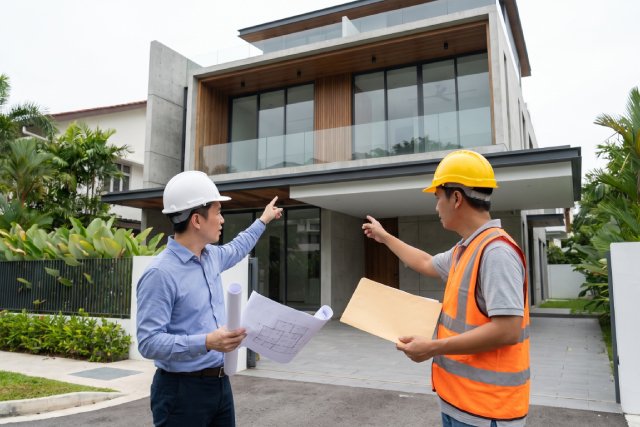
Each system has its own advantages depending on the house layout and structural design. Working with professionals who offer residential construction services helps ensure the lift system integrates properly with the building structure and electrical setup.
Benefits of installing a home lift
A lift does more than simply move people between floors. It transforms how the home functions on a daily basis.
- Improved accessibility: One of the biggest advantages is accessibility. A home lift allows elderly family members or those with mobility challenges to move freely around the house without assistance.
- Convenience for everyday living: Many small daily tasks involve travelling between floors. A lift simplifies these routines. Examples include carrying groceries from the ground floor, moving laundry between levels, transporting heavy items like suitcases, and helping elderly relatives move safely.
- Future-proofing your home: Installing a lift can prepare your home for future needs. Families often renovate landed houses with long-term living in mind. A lift is often considered a practical feature to include in your landed property when planning upgrades or reconstruction.
- Increased property appeal: Potential buyers increasingly look for homes that support multi-generational living. A lift can make a property stand out in Singapore’s competitive landed housing market.
Planning for a lift during construction or renovation
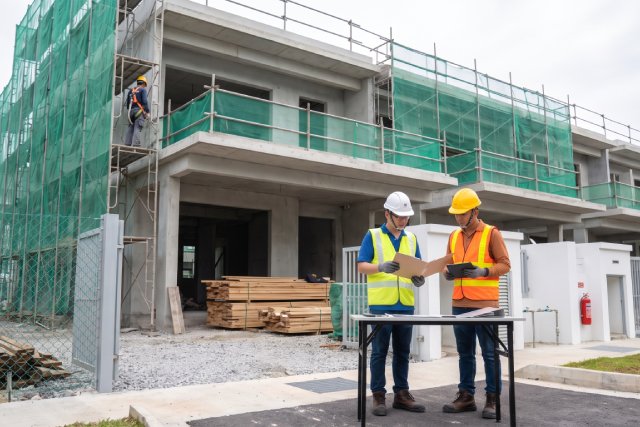
Installing a lift is easiest when it is planned during the early stages of home construction or major renovation. Architects and builders can allocate space for the lift shaft, electrical requirements, and mechanical components.
Key planning considerations include:
- Space requirements – Most residential lifts require a dedicated vertical shaft and lift pit. However, modern compact designs allow lifts to fit into relatively small spaces and shallow pits.
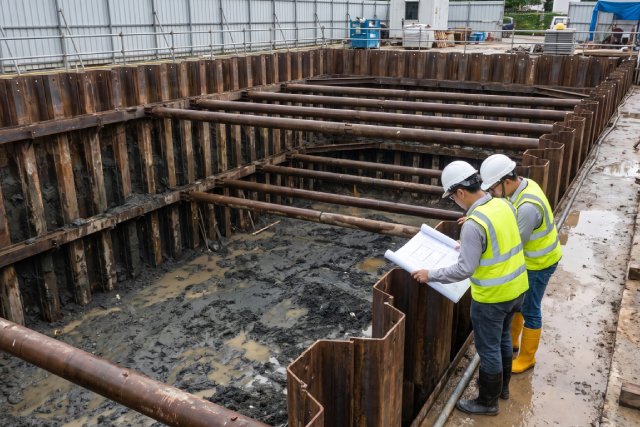
- Structural support – The home’s structure must support the lift shaft and mechanical equipment. This is why proper design coordination with builders is essential.
- Power supply – Residential lifts require stable electrical connections and backup systems in case of power outages.
- Safety Systems – Modern home lifts include safety features such as emergency stop buttons, alarm systems, battery backup, and door sensors. These systems ensure safe operation for all users.
How much space does a home lift need?
Homeowners often worry that lifts require a large footprint. Fortunately, many modern systems are designed for compact homes. Below is a general comparison of typical requirements.
| Lift Type | Approximate Space Needed | Suitable For |
| Traction lift | Moderate shaft space | New builds (reconstruction, new erection) |
| Hydraulic lift | Compact shaft design | Multi-storey homes, retrofit projects |
| Pneumatic lift | Minimal structural changes | Retrofit projects |
The best solution depends on the home’s layout and available space. Consulting experienced builders ensures the lift design works seamlessly with the overall house structure.
Retrofitting a lift into existing landed homes
Not all homeowners install lifts during construction. Some decide to add one years after moving into the property. Retrofitting is possible, although it may require structural modifications.
Common retrofit solutions include installing the lift within a central stairwell, adding an external lift shaft attached to the house, or creating a lift space during a major renovation. Professional contractors can assess the home’s layout and recommend suitable installation methods.
Safety and regulations in Singapore
Home lifts installed in Singapore must comply with local building and safety regulations.
Depending on the system and building type, requirements involve approvals from authorities such as the Building and Construction Authority (BCA) and relevant lift inspection authorities. A “Permit-To-Operate” PTO is also required.
Working with experienced contractors helps ensure all regulatory requirements are met.
Proper installation and regular maintenance also ensure the lift operates safely for many years.
Is a home lift worth the investment?
Installing a lift requires upfront planning and financial investment. However, many homeowners see it as a worthwhile upgrade.
The long-term benefits often include:
- Greater convenience in daily living
- Safer mobility for elderly family members
- Increased resale attractiveness
- Improved accessibility for future needs
As Singapore’s population ages and families prioritise comfort at home, lifts are becoming increasingly common in landed houses.
Conclusion
Living in a multi-storey home offers space and privacy, but it also means dealing with stairs every day. A home lift transforms how families experience vertical living by making movement between floors easier, safer, and more convenient.
Beyond convenience, a lift also supports long-term living plans and improves accessibility for family members of all ages. With thoughtful planning and proper installation, it can become a practical upgrade that enhances both comfort and property value.
If you’re planning to build or upgrade your landed home, working with an experienced contractor can make the process much smoother. Kang Sheng Engineering provides professional design-build services and general contracting services for residential and commercial projects, helping homeowners create well-planned spaces that support modern living needs.