Homes are living, breathing spaces that need to grow and change alongside the people who inhabit them. A layout that works perfectly for a young couple today may feel completely impractical five years down the line when there are children in the picture, elderly parents moving in, or a shift to working from home. Planning ahead is not pessimism; it is simply good sense.
This is especially true in Singapore, where homes are a significant financial investment and space comes at a premium. Getting your design right from the outset or thoughtfully adapting what you already have can save you considerable cost and disruption in the long run. The good news is that flexible living design is more achievable than most homeowners realise, and it starts with a few key principles.
What does flexible living actually mean?
Flexible living is the idea that your home should be able to serve different purposes at different stages of life without requiring a full rebuild every time your needs change. It is designing spaces with adaptability in mind, like rooms that can be reconfigured, layouts that anticipate future needs, and infrastructure that supports evolving technology and lifestyle demands. Think of it as designing for the family you might have in ten years, not just the household you have today.
Why it has a profound impact
Singapore’s population is ageing. According to the Ministry of Health (MOH), roughly one in four residents is expected to be aged 65 and above by 2030. At the same time, multigenerational living arrangements are becoming more common, with adult children and elderly parents sharing the same roof.
Add to this the lasting shift towards hybrid and remote work, which has fundamentally changed how Singaporeans use their homes during the day, and it becomes clear that the traditional fixed-room layout simply cannot keep up. Flexible design is no longer a nice-to-have; it is increasingly a practical necessity.
Flexible design starts at the planning stage
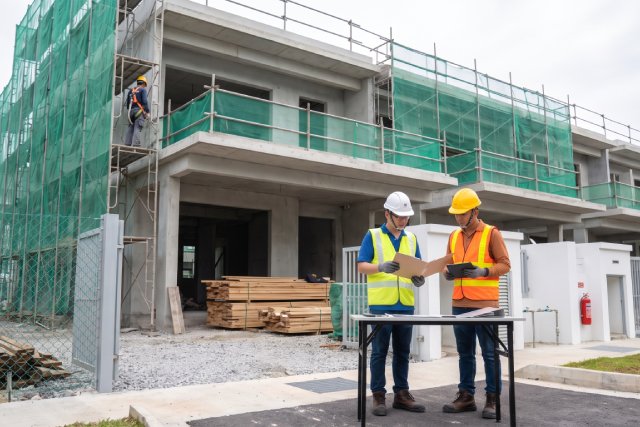
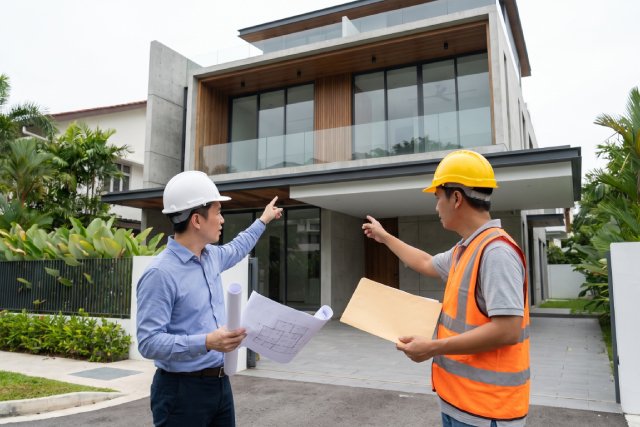
The most cost-effective time to build flexibility into a home is before construction begins. For those undertaking residential constructions or major renovations, working with an experienced design-build team allows you to plan for future adaptability from day one, rather than trying to retrofit solutions later at greater expense.
This might mean choosing open-plan living areas that can be divided with movable partitions, installing wider doorways and corridors to accommodate wheelchair access down the line, or ensuring that plumbing and electrical points are positioned to allow for future bathroom or kitchenette additions. If you are exploring smart home design ideas as part of your build, this is also the stage to rough in the cabling and network infrastructure that future smart systems will rely on.
Key areas to think about
1. Open-plan living with the option to divide
Knocking down walls is expensive. A smarter approach is to design open spaces that can be closed off when needed, using sliding partitions or bi-fold doors. This gives you the sociable, light-filled feel of an open-plan layout whilst retaining the ability to create privacy at short notice, which is useful if you ever need a bedroom for an elderly relative or a dedicated study space.
2. The multipurpose room
Every flexible home benefits from at least one room that has been deliberately designed to serve more than one function. A guest room that doubles as a home office, a study that can be converted into a nursery, or a utility room with enough clear floor space to function as a gym are the kinds of design decisions that pay dividends over time.
When planning such rooms, consider:
- Adequate power points on multiple walls to support different furniture arrangements.
- Neutral finishes that work across a range of functions without needing repainting.
- Sufficient natural light and ventilation regardless of how the space is used.
- Built-in storage that maximises floor space and keeps the room adaptable.
3. Ground-floor accessibility
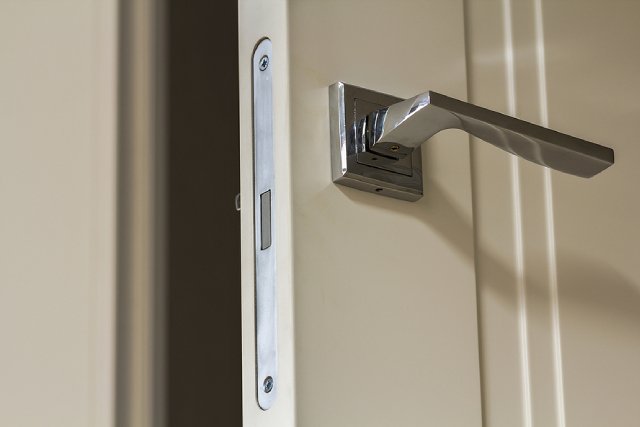
For landed homeowners in particular, giving thought to ground-floor accessibility is a worthwhile investment. Features such as step-free entrances, a ground-floor bedroom and bathroom, and lever-style door handles rather than round knobs are relatively low-cost to incorporate at the build stage, but can make an enormous difference if mobility becomes a consideration in later years.
The Housing & Development Board (HDB) and the Building and Construction Authority (BCA) both publish guidance on universal design principles that are worth reviewing, even for private homeowners who are not obligated to follow them. The principles are practical and increasingly regarded as best practice in modern residential design.
4. Infrastructure for the future
Technology is changing faster than homes are being built. Future-proofing your electrical and data infrastructure, such as running additional conduits, installing a robust home networking setup, and ensuring sufficient electrical load capacity, means you are not stuck hacking through walls when you eventually want to upgrade your systems.
Solar-ready roofing, EV charging provisions in the garage, and battery storage infrastructure are all worth considering now, particularly as Singapore moves towards its Green Plan 2030 targets and incentives for sustainable home features become more widely available.
The financial case for flexibility
It might seem counterintuitive to spend more upfront on features you may not need for another decade. But the alternative (undertaking disruptive and costly renovations every time your family’s needs shift) is almost always more expensive in the long run.
A well-designed flexible home also tends to hold its value better on the resale market. Buyers increasingly recognise the practical appeal of a home that can adapt to their own future needs, and spaces that offer versatility without sacrificing aesthetics command a premium.
Flexibility does not mean compromise
One of the most common misconceptions about flexible design is that it means generic, characterless spaces, all beige walls and blank floors waiting to become something. That could not be further from the truth. The best flexible homes are beautifully designed, with strong identities and distinctive personalities. Flexibility is built into the bones, not worn on the surface. With the right design team, you can have a home that feels considered and personal today, whilst being quietly equipped for whatever tomorrow brings.
Conclusion
Whether you are planning a new build, a major renovation, or simply exploring your options, Kang Sheng Engineering is ready to help you get it right. We offer comprehensive design-build services and general contracting services for both residential and commercial projects across Singapore. Our team works with you from the earliest planning stages through to handover, ensuring that your home is not only beautiful today but genuinely ready for the years ahead. Reach out to Kang Sheng Engineering to start a conversation about your project, and let us help you build a home that truly stands the test of time.