Smart living has become the new standard for homeowners across Singapore, especially those with landed properties. From automated lighting that adjusts to your mood, to security cameras you can check from halfway around the world, technology is quietly transforming the way we experience our homes.
Landed homeowners in Singapore are particularly well-placed to embrace this shift. With more space to work with and the freedom to customise every corner of the property, a landed house offers the perfect canvas for a fully integrated smart home. Whether you are building from scratch or retrofitting an existing property, the opportunities are exciting, and the timing could not be better.
Why Singapore is leading the way
Singapore has long prided itself on being a Smart Nation, and the numbers back it up. According to Statista, household penetration in the smart home market is projected to reach 86.2% in 2025 and could hit 99.7% by 2029. That is a remarkable figure, reflecting just how deeply connected technology has become to everyday Singaporean life.
It is not just adoption rates that tell the story. Statista also reports that over 588,000 homes had already adopted smart technologies by 2023, with smart home management devices recording an ownership rate of 46% as of early 2024. With internet penetration sitting at 98% and one of the highest smartphone usage rates in the world, Singapore’s infrastructure is perfectly set up for the smart home revolution.
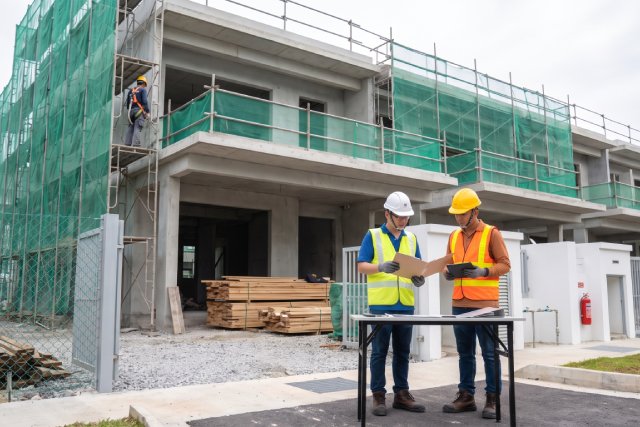
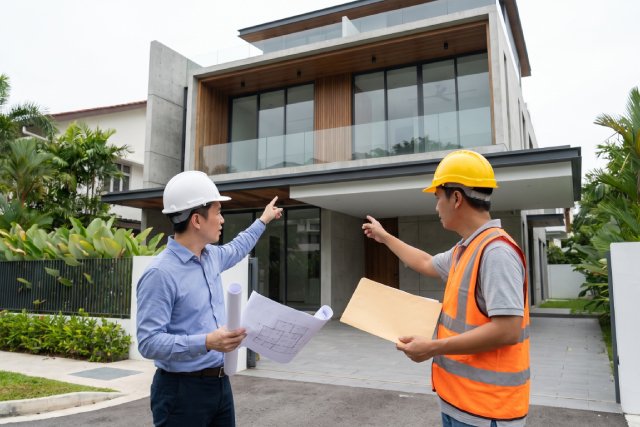
For landed homeowners, this means working with design and build contractors who understand not just construction, but the seamless integration of technology into a home’s architecture from the ground up.
What smart home technology actually covers
It is easy to hear “smart home” and picture a tech-heavy showroom filled with gadgets. The reality, thankfully, is far more liveable than that. Today’s smart home systems are designed to blend into your daily routine, noticed only when they make life easier.
Here is a look at the key areas where technology is making the biggest difference in landed homes:
1. Smart security and access control
Security is a top priority for many Singaporean homeowners, and smart technology has risen to meet that demand. Video doorbells, facial recognition door locks, motion-activated cameras, and remote monitoring systems now give homeowners complete visibility of their property at any time. You can grant or revoke access to your home from your phone, receive real-time alerts if something seems off, and review footage from wherever you are in the world. Security and access control is, in fact, the fastest-growing segment of Singapore’s smart home market, projected to grow at a CAGR of nearly 30% through to 2030.
2. Automated lighting and climate control
Singapore’s tropical heat makes climate control a year-round concern, and smart air conditioning systems are a game-changer. There are systems that allow homeowners to schedule cooling, adjust temperatures remotely, and even set occupancy-based triggers so your home is cool when you arrive and not waste energy when you are out. Paired with smart lighting that adjusts brightness and colour temperature based on time of day or activity, the result is a home that works around you.
3. Energy management
Rising electricity tariffs have made energy efficiency a real priority for Singapore homeowners. Smart plugs, energy monitoring dashboards, and solar panel integration are increasingly common additions to landed properties. Homeowners can track which appliances are drawing the most power, set automated off-switches, and even feed excess solar energy back to the grid. These systems pay for themselves over time whilst reducing a household’s environmental footprint.
4. Home entertainment and multi-room audio
For those who love their home theatre or music throughout the house, smart home technology delivers impressive results. Centralised audio systems allow you to stream different music to different rooms simultaneously, while smart TVs and projector systems can be controlled through a single app or voice command.
5. Voice assistants and home automation hubs
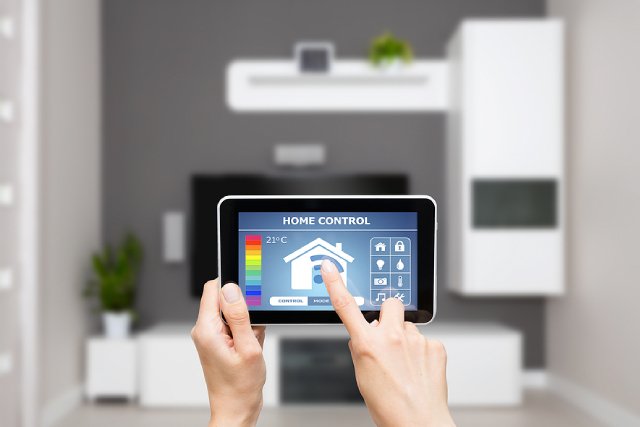
Platforms like Google Home and Amazon Alexa have matured significantly. They now serve as the central nervous system of a smart home, connecting lighting, security, climate, entertainment, and appliances under one interface. You can create routines (“Goodnight” dims the lights, locks the doors, and sets the air con to sleep mode) that make everyday transitions effortless.
Planning your smart home: Where to start
The most common mistake homeowners make is treating smart technology as an afterthought, something to bolt on after the renovation is done. The truth is, the best smart homes are planned from the very beginning, with technology infrastructure built into the structure itself.
This is why the relationship and friendship between homeowner and contractor matter so much. Conduit routing for cables, placement of control panels, positioning of sensors and cameras, and network infrastructure all need to be considered during the design and build phase. Trying to add these retrospectively is not only more expensive, but it often means compromising on the result.
Key things to discuss with your team early on include:
- Network infrastructure: Where will your Wi-Fi routers and Ethernet points be located?
- Power points: Smart devices need power, and thoughtful placement makes a big difference.
- Lighting wiring: Smart lighting systems often require neutral wires that older wiring may not include.
- Security camera positions: Coverage zones should be mapped before walls go up.
The good news is that with the right team in place, none of this needs to feel overwhelming. A good contractor will help you navigate these decisions and ensure your home is future-ready.
The cost question
Smart home technology has become significantly more accessible in recent years. Entry-level smart plugs and bulbs can cost as little as $20–$50 per unit, while a comprehensive whole-home automation system for a landed property might range from $20,000 to well over $100,000, depending on the scope and brand choices.
For most homeowners, the approach is somewhere in between: a curated selection of systems that address their priorities, whether that is security, energy efficiency, or comfort. The key is to prioritise what genuinely matters to your household and build from there. A phased approach also works well: get the infrastructure right from the start, then add devices and systems over time as your needs evolve and budgets allow.
Conclusion
Singapore’s smart home market is on a strong upward trajectory. According to Statista, the market is projected to grow at a compound annual growth rate of 10.4% through to 2029, reaching a market volume of nearly US$445 million. Beyond the numbers, the direction of travel is clear: homes that are connected, efficient, and responsive are becoming the expectation, not the exception.
For landed homeowners in Singapore, this is a moment of opportunity. Thoughtful planning and the right professional partners can turn your property into a home that is not just beautiful, but intelligent.
At Kang Sheng Engineering, we bring the experience and expertise to make your vision a reality. As a trusted provider of design-build services and general contracting services for both residential and commercial projects across Singapore, we work closely with our clients from concept to completion, ensuring every detail, including smart home integration, is handled with care. Whether you are planning a new landed home build, a major renovation, or a commercial fit-out, our team is here to guide you through the process. Get in touch with Kang Sheng Engineering today and let’s build something exceptional together.