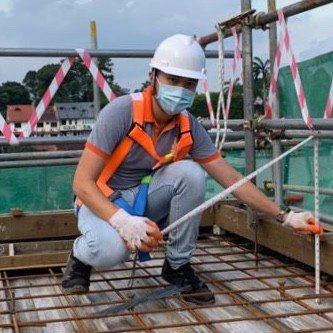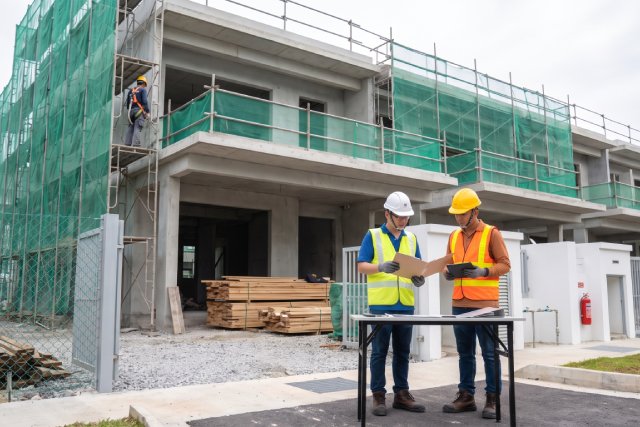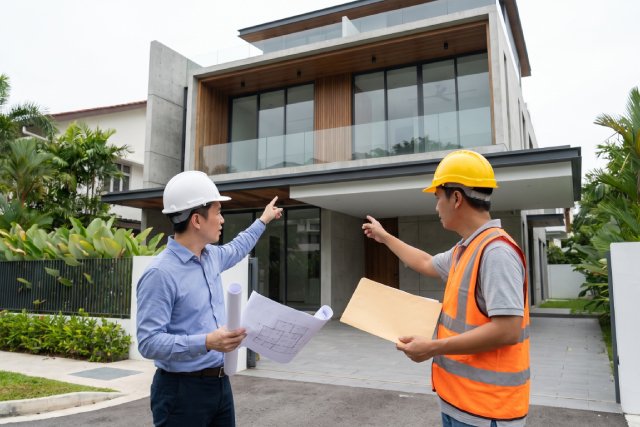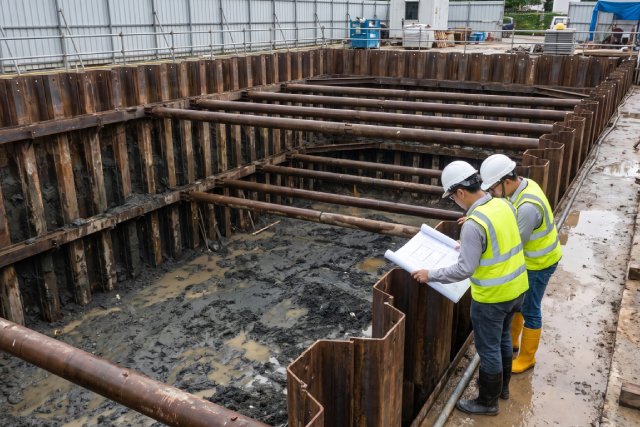
Building a house from scratch involves a lot of moving parts. There is the design work, the structural planning, the regulatory approvals, and then the actual construction itself, each handled by different parties who all need to work together without dropping the ball. For many homeowners, juggling all of this on their own feels like a part-time job on top of everything else they already have going on.
This is where one-stop design and build contractors come in. Rather than engaging an architect, an engineer, and a separate contractor individually, a design and build firm handles the entire process under one roof, from the earliest sketches right through to handover. This setup has become increasingly popular among homeowners in Singapore who want a more streamlined experience without sacrificing the quality of the finished home. If you have been weighing up whether this approach suits your project, here are the advantages that tend to make the biggest difference.
Single point of accountability
When something goes wrong on a traditional project, it is not always clear who is responsible. Was the delay caused by the architect’s drawings, the engineer’s calculations, or the contractor’s execution? Homeowners often end up caught in the middle, relaying messages between parties who each have their own explanation for what went wrong. With design and build contractors, there is no finger-pointing between separate parties, since the same team handles design and construction together.
This means issues get resolved faster because the people responsible for fixing a problem are the same people who created the plan in the first place. You are not stuck mediating between consultants who may have conflicting opinions on how to move forward.
Faster project timelines
Traditional building projects typically follow a linear sequence: design is completed first, then sent out to tender, and only after a contractor is selected does construction begin. Design and build is faster than traditional tendering because design and construction phases can overlap, with certain works starting while finer details are still being finalised elsewhere in the project.
This overlap can shave weeks or even months off your overall timeline, which counts for a great deal if you are working with a target move-in date or want to minimise the disruption to your daily life.
Better cost control
Because the design and construction teams work together from the outset, the cost implications of design decisions become clear much earlier. If a particular material or layout choice is going to blow the budget, the team can flag this during the design phase rather than discovering it after tender, when changing course becomes far more expensive. Homeowners are often surprised at how much clarity this early visibility provides, especially compared to projects where cost surprises only surface once construction is already underway.
This collaborative approach also reduces the likelihood of costly variations later, since constructability is considered alongside aesthetics right from the start rather than being an afterthought.
Smoother communication throughout
Coordinating between multiple consultants and contractors can feel like a constant game of telephone, with messages getting lost or misinterpreted along the way. A one-stop design and build setup removes much of this friction, since you are dealing with a single team that already understands the full scope of the project.
This makes day-to-day decisions easier too. Instead of looping in three or four parties every time a question comes up, you simply speak to your design and build contractor, who already has full visibility of both the design intent and the construction realities on site.
Designs that are buildable
One common frustration with traditional projects is when a beautifully designed plan turns out to be impractical or overly expensive to construct. This happens when designers work in isolation from the people who build the structure.
With design and build, the construction team is involved from the early design stages, which means impractical ideas get flagged and adjusted before they become a problem on site. This kind of early feedback can save significant time and money, since changes are far cheaper to make on paper than once materials have already been ordered or work has started. The result tends to be a home that looks good on paper and translates well into reality.
A quick comparison
| Traditional Approach | Design And Build Approach |
| Separate architect, engineer, and contractor | One integrated team |
| Design completed before tendering | Design and construction can overlap |
| Accountability split across parties | Single point of accountability |
| Cost surprises often surface late | Cost implications flagged earlier |
| Communication spread across multiple parties | Centralised communication |
Is design and build right for every project?
While the benefits are significant, design and build is not automatically the best fit for every situation. Homeowners who want an entirely independent check on design quality, separate from the construction team, sometimes prefer the traditional route. Highly unconventional or experimental designs may also benefit from a dedicated architect working without the practical constraints a contractor might raise early on.
That said, for most landed house rebuilds and renovation projects in Singapore, the convenience, speed, and cost predictability of design and build tend to outweigh these considerations for the average homeowner.
Questions to ask before choosing a design and build firm
Before committing, it helps to ask a few pointed questions:
- Can you show me past projects similar to mine?
- How do you handle design changes once construction has started?
- What is included in your quote, and what might count as a variation?
- Who will be my main point of contact throughout the project?
Getting clear answers to these questions upfront helps set expectations and avoid misunderstandings later in the process.
Conclusion
Choosing between a traditional approach and a design and build setup ultimately comes down to how much convenience, speed, and accountability you value compared to having entirely separate checks at each stage. For many homeowners, having a single team see the project through from concept to completion makes for a far smoother and less stressful experience overall.
If this approach sounds like the right fit for your project, Kang Sheng Engineering offers design-build services and general contracting services for both residential and commercial projects. Reach out to our team today to find out how we can bring your project to life from start to finish.