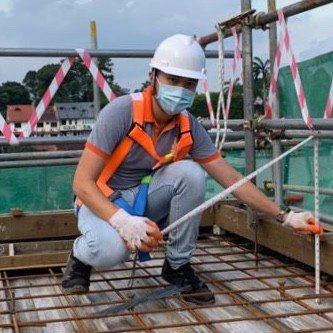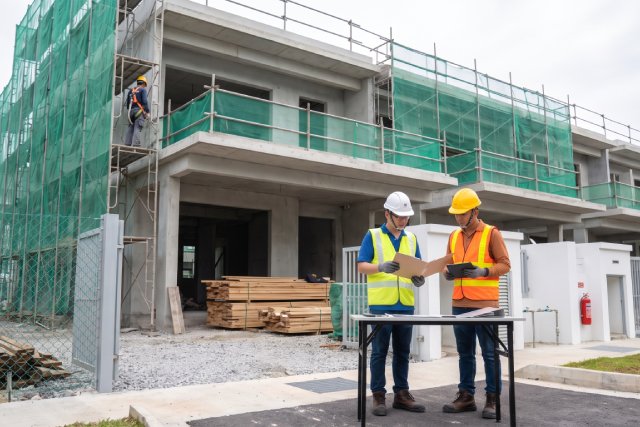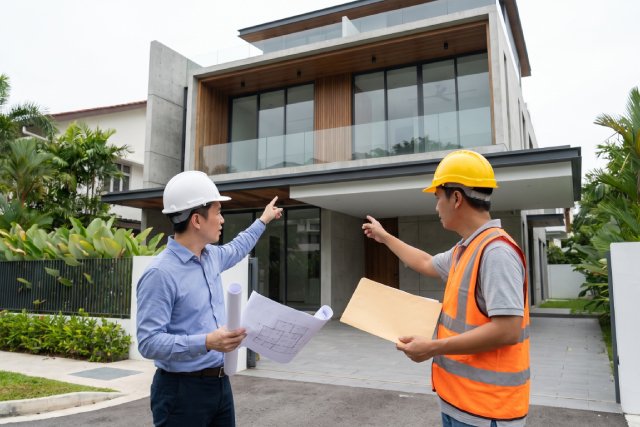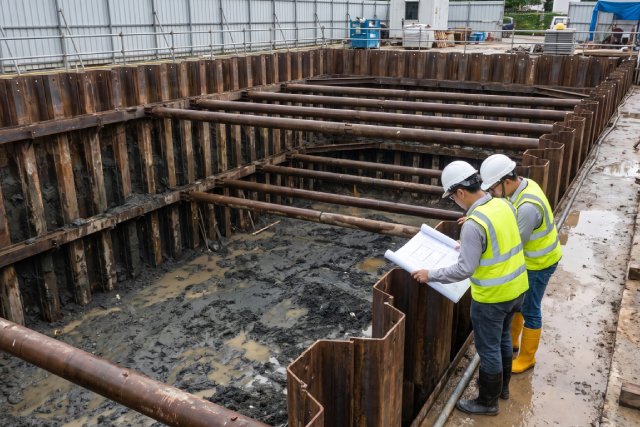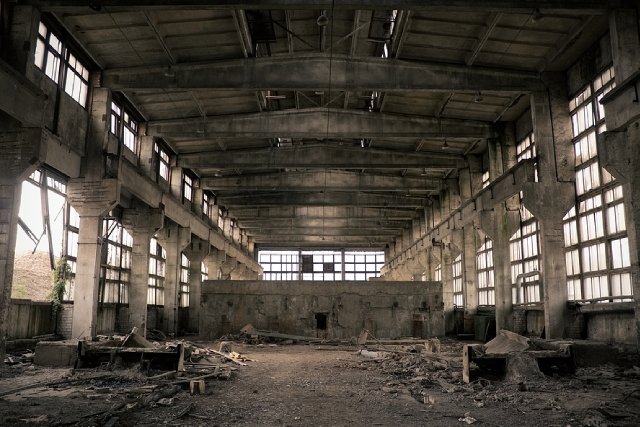
There is something genuinely exciting about walking into a raw industrial space and imagining it transformed into a home, café, or creative studio. These conversions have become increasingly popular in Singapore, particularly in areas like Kallang, Tanjong Pagar, and Woodlands, where older warehouses and factory units sit waiting for a second life.
But converting an industrial space is not just a matter of taste. It involves planning permissions, structural assessments, M&E works, and a fair bit of patience. Whether you are a homeowner eyeing a mixed-use development or a business owner looking to repurpose a JTC unit, this guide walks you through the process step by step.
Step 1: Check if the space is even eligible
Before you fall in love with the floor plan, check the zoning and permitted use. In Singapore, industrial properties are governed by the Urban Redevelopment Authority (URA) and JTC Corporation. Not all industrial spaces can be converted for residential or F&B use; you need to verify the approved use of the property first.
Visit the URA’s e-Advisor tool to check what a specific property is zoned for. If a change of use is required, you will need to submit a formal application, and approval is not guaranteed.
Step 2: Engage a qualified professional early
Once you have confirmed eligibility, bring in the right people. A Qualified Person (QP), either an architect or civil or structural engineer registered with the Building and Construction Authority (BCA), is legally required for most conversion works in Singapore.
This is also when working with a reliable commercial renovation contractor in Singapore becomes essential. Experienced contractors understand how to manage the interplay between structural upgrades, M&E (mechanical and electrical) systems, fire safety requirements, and finishing works. Good contractor and client friendships are often forged at this stage, built on clear expectations and honest communication.
Step 3: Conduct a structural and building assessment
Industrial buildings were designed for specific loads like forklifts, heavy machinery, or storage. Converting them for human occupancy (especially residential) means the building may need reinforcement, or at the very least, a thorough structural check.
Your QP will assess:
- Floor load capacity
- Structural integrity of beams and columns
- Condition of the roof and façade
- Any existing hazardous materials (such as asbestos in older buildings)
Do not skip this step to save time. Issues discovered mid-renovation are far more costly than those caught early.
Step 4: Submit the necessary permits
Depending on the scope of works, you may need submissions to multiple agencies. These typically include:
- BCA – for structural plans and building works approval.
- URA – for change of use, if applicable.
- Singapore Civil Defence Force (SCDF) – for fire safety plans.
- SP Group / PUB – for utilities upgrading.
Your QP and contractor will usually manage the submission process on your behalf, but it is good to understand what is being submitted and why. Processing times vary, so factor this into your overall project timeline.
Step 5: Plan your layout with the space in mind
Here is where the design work begins in earnest. Industrial spaces have quirks that standard residential or commercial spaces do not, such as soaring ceiling heights, limited natural light in deep-floor-plate units, and often no existing plumbing beyond basic amenities.
A good designer will work with these features rather than against them. Double-volume ceilings, for instance, can become a visual asset. Mezzanine levels are a popular way to add usable floor area without expanding the building footprint.
Think carefully about:
- Ventilation and air-conditioning – ACMV systems in industrial buildings often need a complete redesign.
- Natural light – skylights and large glazed openings can dramatically improve livability.
- Acoustics – particularly important if the surrounding units remain industrial.
- Accessibility – lifts and ramp access may need to be added to meet the BCA’s accessibility requirements.
Step 6: Build in phases where possible
Large-scale conversions rarely run in a straight line. Phasing your works (completing structural and M&E works before starting finishes, for example) reduces the risk of having to undo completed work if something changes.
Agree on a detailed project schedule with your contractor before works commence. A clear schedule, with milestones tied to payments, protects both parties and keeps the project on track. According to the BCA’s guidelines on renovation works, proper sequencing of works also reduces defects and rework, both of which eat into your budget.
Step 7: The fit-out and finishing stage
With the structure sound and the M&E systems in place, the fit-out begins. This is the stage most people picture when they imagine an industrial conversion, with the polished concrete floors, the exposed pipes painted matte black, and the custom steel-framed windows.
Here, material choices matter as much as aesthetics. Industrial spaces tend to be harder to climate-control, so insulation in walls and ceilings is worth investing in. Similarly, acoustic panels or double glazing can make a significant difference in day-to-day comfort.
Be realistic about your budget at this stage. A full industrial-to-residential conversion in Singapore can range significantly depending on the size of the unit, the extent of structural works required, and the level of finishing. Ballpark figures from industry sources suggest S$150 to S$350 per square foot is a reasonable starting range, though complex conversions can go higher.
Conclusion
Converting an industrial space into something extraordinary takes planning, the right professionals, and a contractor who understands both the technical and creative sides of the project. If you are ready to move from idea to execution, Kang Sheng Engineering is here to help.
We offer comprehensive design-build services and general contracting services for both residential and commercial projects across Singapore. From structural assessments and permit submissions to full fit-out and finishing, our team manages the entire process so you can focus on the vision. Reach out to Kang Sheng Engineering today to discuss your industrial conversion project.