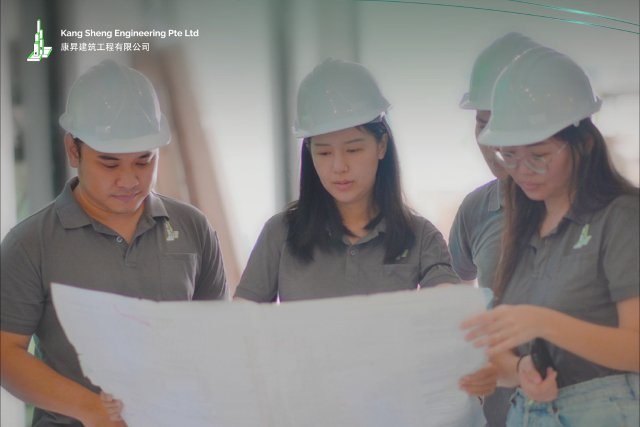
Commercial projects rarely succeed by chance. Offices, retail units, restaurants, warehouses, and industrial spaces all require careful planning before a single wall goes up. Property owners often see the final result, but behind every completed building sits a complex coordination effort that involves design teams, engineers, suppliers, and workers on site.
That’s where experienced building contractors play an essential role. They organise people, materials, and timelines so a project moves smoothly from the planning stage to completion. In Singapore’s fast-moving construction environment, contractors act as the central point connecting architects, developers, consultants, and subcontractors. Understanding how contractors manage commercial projects helps business owners, property developers, and investors feel more confident about the process.
The role of building contractors in commercial projects
Commercial construction projects involve far more moving parts than most people expect. A single office renovation or retail fit-out may involve structural works, electrical installation, plumbing, mechanical systems, finishing, inspections, and compliance approvals. Professional building contractors coordinate these moving pieces so work progresses safely and efficiently.
Their responsibilities typically include:
- Planning the construction timeline
- Coordinating subcontractors and suppliers
- Managing project budgets
- Ensuring compliance with local regulations
- Monitoring site safety and work quality
- Communicating updates to project owners
In Singapore, commercial construction must also meet strict requirements set by authorities such as the Building and Construction Authority (BCA). Contractors help ensure that all works follow approved drawings, safety regulations, and structural guidelines. Without strong coordination, projects can easily experience delays, unexpected costs, or miscommunication between teams.
Step 1: Project planning and pre-construction coordination
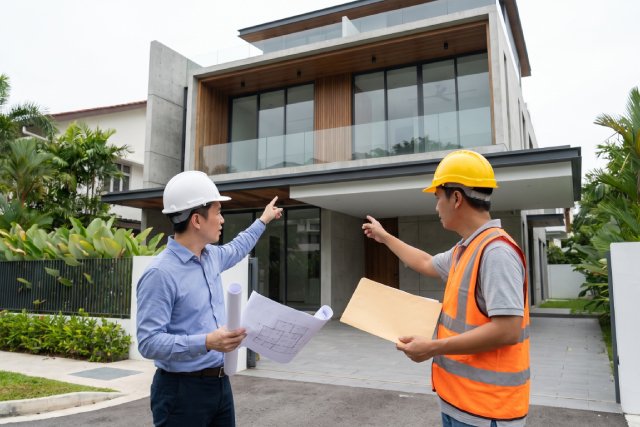
Before construction begins, contractors spend significant time in the planning stage. This phase ensures everyone involved understands the scope of work, expected timeline, and project objectives with all stakeholders that includes supporting the client’s business needs.
Planning often includes:
- Reviewing architectural and engineering drawings
- Identifying potential construction challenges
- Preparing cost estimates and budgets
- Scheduling manpower and materials
- Coordinating with consultants and engineers
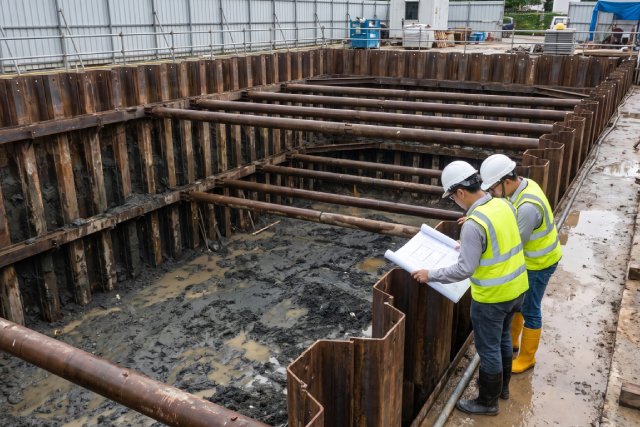
This stage is particularly important in Singapore, where space constraints and building regulations can affect construction methods. Contractors may also work closely with designers to suggest practical adjustments that improve buildability without compromising the design concept. Careful planning early on helps prevent unexpected issues later during construction.
Step 2: Budget management and cost control
Cost management is one of the biggest concerns for commercial property owners. Materials, labour, equipment, and approvals can quickly add up if the project is not monitored closely. Contractors handle financial planning by preparing detailed cost estimates before construction begins.
Typical cost categories include:
| Cost Category | Examples |
| Construction Materials | Concrete, steel, finishing materials |
| Labour | Skilled workers, technicians, site supervisors |
| Equipment | Machinery, scaffolding, lifting equipment |
| Professional Services | Engineers, inspectors, consultants |
| Regulatory Compliance | Permits, inspections, testing |
Tracking these expenses helps contractors maintain transparency with clients. When project costs are monitored closely, teams can avoid cost overruns while still delivering the required quality and functionality.
Step 3: Managing construction schedules
Commercial construction projects operate on tight schedules. Businesses often want their spaces ready quickly so operations can begin without delays. Contractors develop detailed construction timelines that outline each stage of work.
Typical construction phases include:
1. Site preparation
2. Structural work
3. Mechanical and electrical installation
4. Interior finishing
5. Inspections and approvals
Each stage must happen in the correct sequence. For example, electrical wiring must be installed before walls are sealed, and inspections must occur before final finishes are applied. Contractors coordinate these steps to ensure work flows smoothly across different teams. Even small delays can disrupt the entire schedule, so constant monitoring and adjustment are necessary.
Step 4: Coordinating teams and subcontractors
Most commercial projects involve multiple specialist teams working together. These may include:
- Structural contractors
- Electrical contractors
- Plumbing specialists
- ACMV technicians
- Interior fit-out teams
- Safety officers
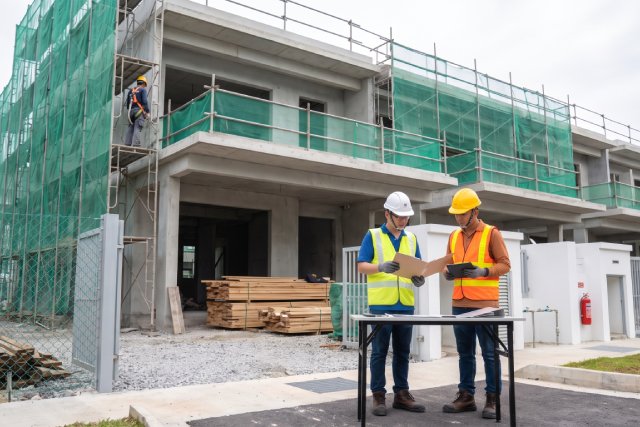
Each team focuses on a specific part of the project, but their work must align with the overall construction schedule. Contractors act as the main coordinator, ensuring each team completes tasks at the right time and meets required standards. Clear communication helps prevent conflicts, such as overlapping work areas or delays caused by incomplete installations. Regular site meetings are usually conducted to review progress, discuss challenges, and confirm upcoming tasks.
Step 5: Material procurement and supply management
Materials are the backbone of any construction project. From structural steel to finishing tiles, every component must arrive on site at the correct time. Contractors manage procurement by:
- Identifying trusted suppliers
- Ordering materials based on construction schedules
- Monitoring delivery timelines
- Checking material quality before installation
Supply chain coordination is especially important in Singapore, where construction materials are often imported for commercial projects. Delays in delivery can disrupt construction timelines, so contractors work closely with suppliers to ensure materials arrive when needed. Proper storage and handling on site also help maintain material quality and prevent damage.
Step 6: Maintaining safety on the construction site
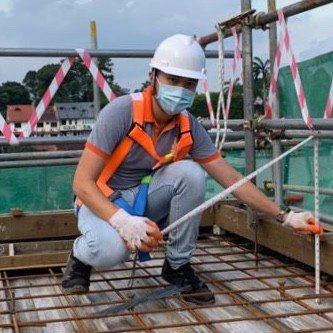
Construction sites involve heavy equipment, electrical systems, elevated work areas, and moving materials. Safety is therefore a major priority on commercial projects. Contractors implement strict safety protocols to protect workers and visitors.
These measures may include:
- Safety briefings for workers
- Personal protective equipment (PPE) requirements
- Clear site access control
- Hazard identification and risk assessment
- Emergency response procedures
In Singapore, safety practices must comply with the Workplace Safety and Health (WSH) regulations. Contractors also appoint safety officers who monitor site activities and ensure workers follow proper procedures. A safe site environment protects both workers and the overall progress of the project.
Step 7: Monitoring construction quality
Quality control is another key responsibility for contractors. Every structural component, installation, and finishing detail must meet project specifications.
Quality monitoring usually involves:
- Regular inspections during construction
- Verifying materials meet required standards
- Testing mechanical and electrical systems
- Reviewing completed work before moving to the next stage
If issues are identified early, contractors can correct them before they affect other parts of the project. This careful monitoring ensures that the final building meets the expectations of both clients and regulatory authorities.
Step 8: Managing communication with clients
Clear communication helps keep projects running smoothly. Contractors often provide regular updates to clients, which may include:
- Progress reports
- Budget updates
- Construction photos
- Timeline adjustments
- Upcoming milestones
These updates help property owners stay informed without needing to manage the day-to-day site operations themselves. Clients can also raise questions or request adjustments during the project, allowing contractors to respond quickly and keep the project aligned with the client’s goals.
Step 9: Final inspections and project handover
As construction nears completion, contractors conduct final inspections to ensure the building meets all specifications and safety requirements.
This process typically includes:
- Testing electrical systems
- Checking plumbing and water flow
- Inspecting structural components
- Reviewing finishing details
- Conducting regulatory inspections
Once everything passes inspection, the project is prepared for handover.
Contractors provide documentation such as as-built drawings, warranties, and maintenance instructions to the building owner. At this stage, the commercial space is ready for occupancy or business operations.
Conclusion
Every commercial building project requires careful coordination, experienced professionals, and strong project management from start to finish. From early planning to final inspections, contractors play a vital role in ensuring construction progresses smoothly and meets the expectations of property owners.
If you’re planning a new development or renovation, working with a trusted contractor makes the process far more manageable. Kang Sheng Engineering provides reliable design-build services and general contracting services for residential and commercial projects, helping clients bring their construction plans to life with professional expertise and careful project coordination.