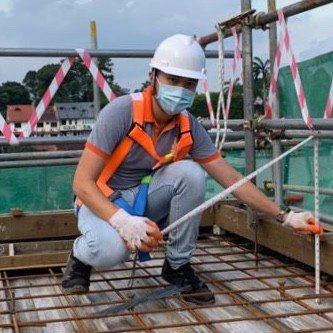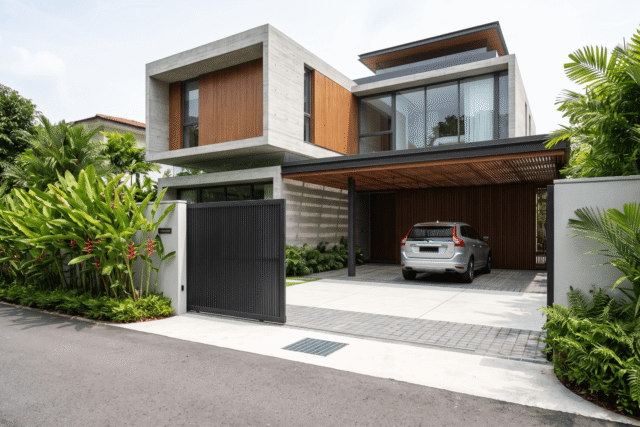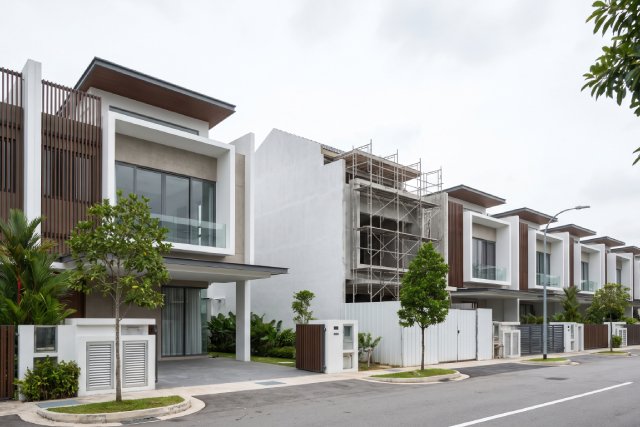
A rebuild is one of the largest cheques most families will ever write, and for a year or more the thing they are paying for is a building site rather than a home. Fire, storm damage, a collapsed excavation, an injured worker, a crack that appears months after handover: each is a risk that has to sit with someone. The question worth settling before signing is simply whose shoulders it sits on.
Two mechanisms do most of that work. Contractors’ All Risks (CAR) insurance protects the works while they are being built, and the defects liability period protects you after the house is handed over. When you compare builders in Singapore, how each one handles these two protections tells you a great deal about how seriously they take their obligations.
Two protections, two different jobs
People often assume a single policy covers everything, but the two mechanisms answer different questions at different stages. CAR insurance is about physical loss or damage during construction. The defects liability period is a contractual promise about the quality of the finished work. One runs while the scaffolding is up; the other begins once it comes down.
What Contractors’ All Risks insurance covers
CAR insurance is the standard cover for building projects and typically comes in two parts. The first is material damage to the works themselves, including the structure under construction, materials on site, and often the temporary works and plant. If a fire, a flood, or a storm damages what has been built so far, this section responds so the works can be reinstated.
The second part is third-party liability. Construction is disruptive to everything around it, and a landed site usually has neighbours within touching distance. If falling debris damages an adjoining house, or a passer-by is injured because of the works, the liability section is designed to answer claims of that kind.
For a landed rebuild, the practical value is continuity. A serious incident without cover can halt a project for months while responsibility is argued over. With a policy in force, reinstatement can begin while the paperwork follows, which keeps the programme from unravelling after a single bad day on site.
Cover of this kind is standard for a project of any real size, and a competent builder arranges it as a matter of course. What varies is the detail: the sum insured, the length of the policy period, and whether it genuinely runs for the full duration of your build, including any extension of time. A policy that lapses a month before completion protects nobody in the week the roof leaks.
Where the cover ends
CAR insurance is broad, but it is not limitless, and knowing its edges is part of protecting yourself. It generally does not cover poor workmanship itself, only the resulting damage, and wear and tear, gradual deterioration, and design errors are commonly excluded. This is precisely why the defects liability period exists as a separate safeguard.
Worker injury sits under a different instrument again. Employees on site are covered through work injury compensation, which is a separate legal requirement, not through the CAR policy. A capable builder carries both and can show you the certificates for each, so ask to see them and check the sums insured and the project dates actually match your job.
The defects liability period, explained
Once the house is handed over, the defects liability period begins. It is a defined window, commonly twelve months, during which the builder is responsible for putting right defects that emerge in normal use, at no further cost to you. Hairline cracks that open as the structure settles, a tap that drips, a door that drops on its hinges: these are the ordinary teething issues a handover rarely escapes entirely, and they are exactly what the period is meant to capture.
A portion of the contract sum is often held back as retention until the period ends, giving the builder a clear incentive to return and finish properly. At Kang Sheng Engineering we provide a twelve-month defects liability period after handover, and we treat that year as part of the build, not an afterthought. When you weigh the hidden costs of hiring cheap contractors, the absence of a proper defects commitment is often where the real expense hides.
A defects period also sets fair expectations on both sides. It gives you a defined route to have genuine issues corrected, and it gives the builder a bounded window of responsibility instead of an open-ended one. How you report a defect, and how quickly the builder undertakes to respond, is best agreed in writing at handover and not discovered by trial when the first problem appears.
What to confirm before you sign
Both protections are only as good as the documents behind them, so a short list of questions clears up most of the uncertainty:
1. Is a Contractors’ All Risks policy in place for this specific project, and what is the sum insured?
2. Does the third-party liability cover a realistic figure given the neighbours around the site?
3. Is valid work injury compensation cover in force for everyone on site?
4. How long is the defects liability period, and what does it include?
5. Is a retention sum held until the period ends, and how is it released?
Protecting a rebuild is less about hoping nothing goes wrong and more about deciding in advance who carries it if something does. At Kang Sheng Engineering, a BCA-registered General Builder Class 1, we build with proper cover in place and stand behind our work through the defects period and beyond. If you are planning a rebuild and want the protections explained in plain terms before you commit, our team is glad to walk you through them.